

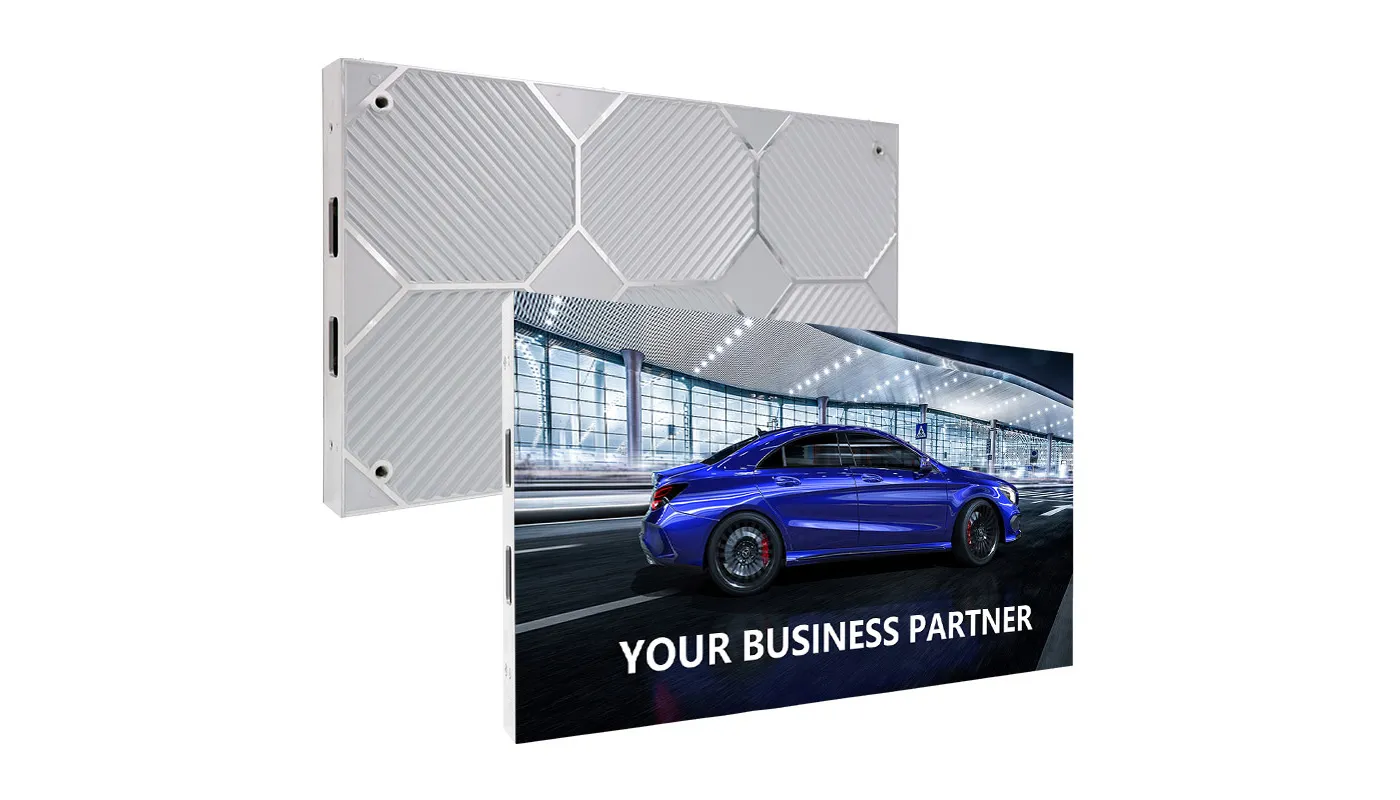
At EagerLED, we understand your needs. That’s why we offer an ultra-clear, vibrant indoor LED screen with flexible installation and custom design—perfect for transforming any space into something extraordinary.


Categories
Indoor LED Screens: Everything You Need to Know
Indoor LED screens have revolutionized the way we present visual content in indoor environments. Whether it’s for retail spaces, corporate offices, event venues, or control rooms, these displays offer vibrant, high-resolution visuals that capture attention and enhance communication. Unlike traditional TVs or projectors, indoor LED screens provide seamless scalability, superior brightness, and unmatched flexibility for custom installations.
- 1.What are Indoor LED Screens?
- 2.Key Technical Specifications of Indoor LED Screens
- 3.Features of Indoor LED Screens
- 4.Types of Indoor LED Screen Technologies
- 5.Applications of Indoor LED Screens
- 6.Recommended Indoor LED Screen Products
- 7.How to Choose the Right Indoor LED Screen
- 8.Pricing Factors for Indoor LED Screens
- 9.FAQs
- 10.Conclusion
- Get Quote Free
1.What are Indoor LED Screens?
An indoor LED screen is a modular display system composed of LED modules assembled into cabinets or integrated panels. These screens are driven by a control system to display dynamic video content, static images, and real-time data.
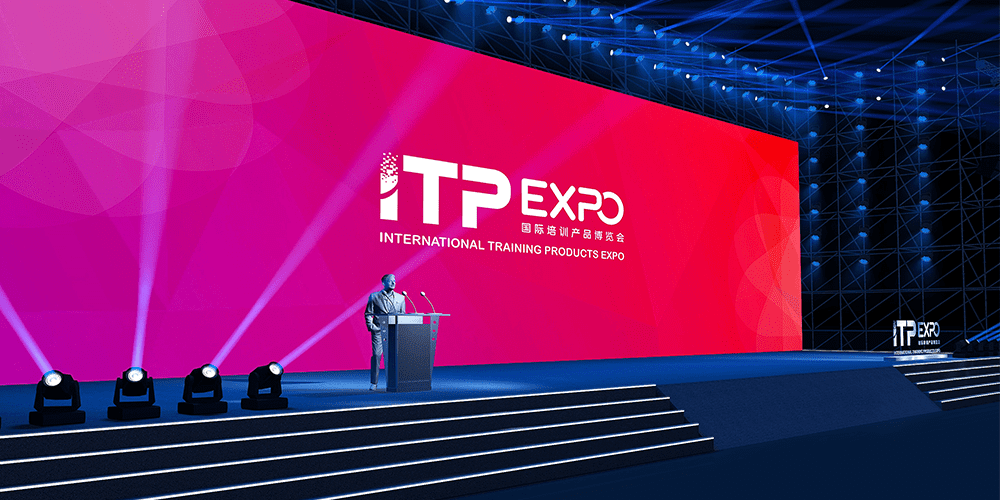
Compared to outdoor LED screens, indoor models prioritize:
- Finer pixel pitches(often ≤ P4) for close viewing distances.
- Lower brightness levels (typically 600–1,200 cd/m²) to ensure comfort in dimly lit environments.
- Enhanced contrast ratios and color fidelity for vivid visuals.
- Lightweight designswith front-service access for easy maintenance in confined spaces.
Indoor LED screens are designed for near-field viewing, making them ideal for applications where clarity, color accuracy, and seamless integration are crucial.
2.Key Technical Specifications of Indoor LED Screens
Choosing the right indoor LED screen requires evaluating several technical parameters that directly impact performance and user experience. Here are the most important specs:
2.1 Pixel Pitch (mm)
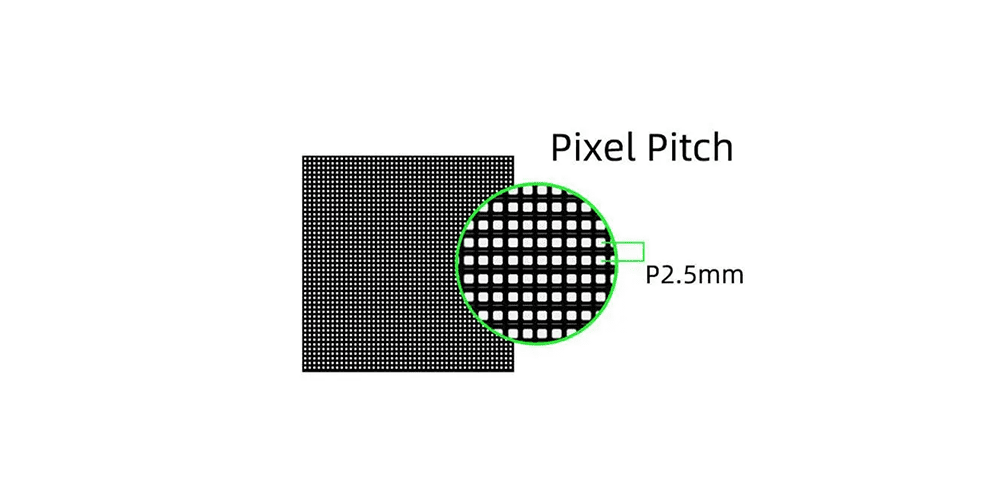
Pixel pitch determines the resolution and optimal viewing distance. Smaller pixel pitches mean higher pixel density and closer viewing capabilities.
| Pixel Pitch (mm) | Optimal Viewing Distance (m) | Applications |
|---|---|---|
| P0.9–P1.5 | < 2.5 | Broadcast studios, high-end retail |
| P1.8–P2.5 | 2.5–5 | Conference rooms, lobbies |
| P2.5–P4 | > 5 | Auditoriums, large venues |
2.2 Brightness (nits/cd/m²)
Brightness levels for indoor LED screens typically range from 600 to 1,200 cd/m². Lower brightness is suitable for dim environments like conference rooms, while higher brightness is ideal for brightly lit spaces.
2.3 Refresh Rate & Grayscale
High refresh rates (≥1920 Hz, often up to 3840 Hz) ensure flicker-free visuals, which are critical for camera filming. Grayscale depth (10–16 bits) enhances gradient smoothness.
2.4 Cabinet & Module Resolution
LED modules come in fixed sizes (e.g., 320×160 mm or 250×250 mm). Combining these modules into cabinets allows for customizable resolutions and aspect ratios.
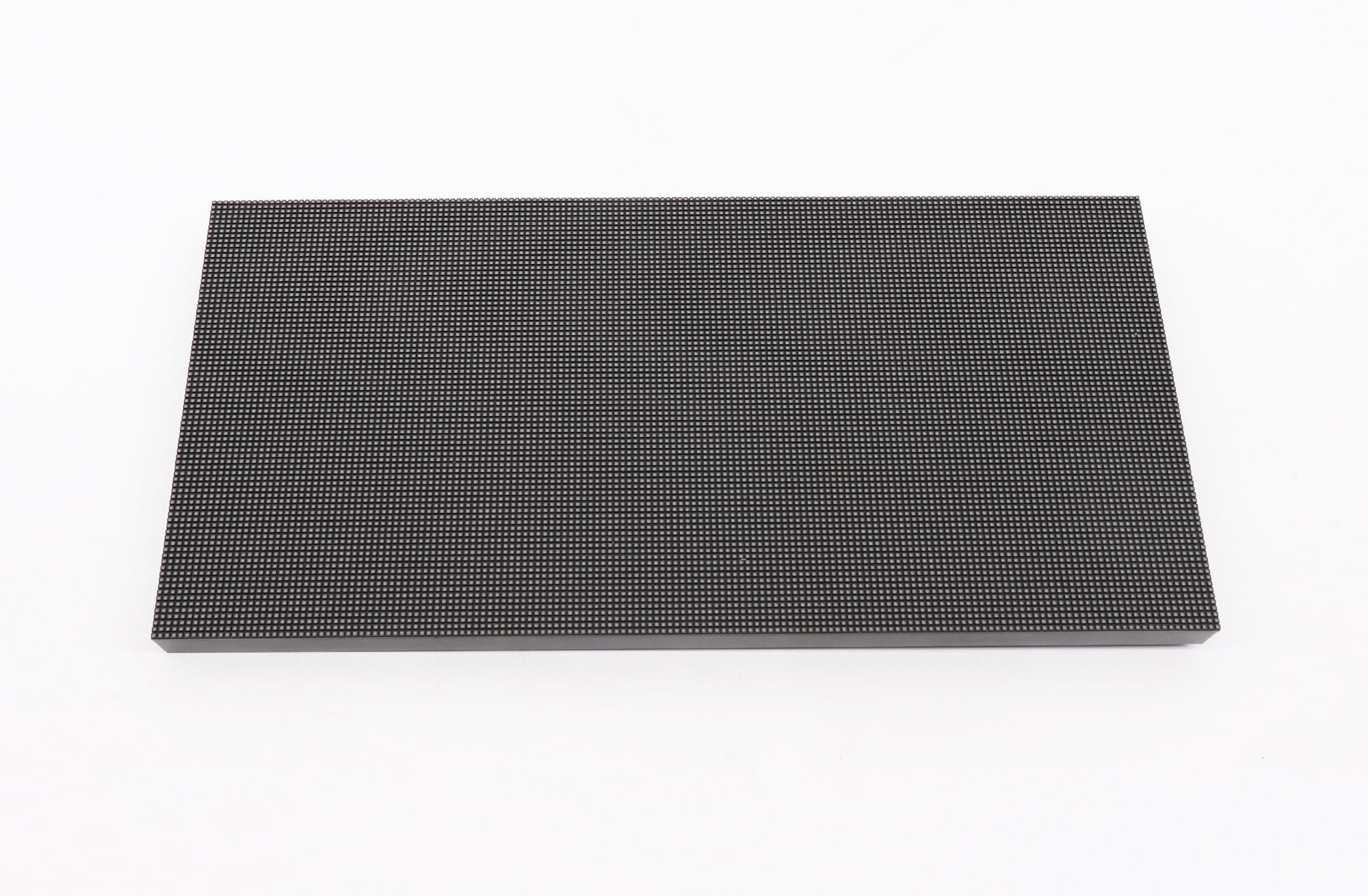
320×160mm Indoor LED Module
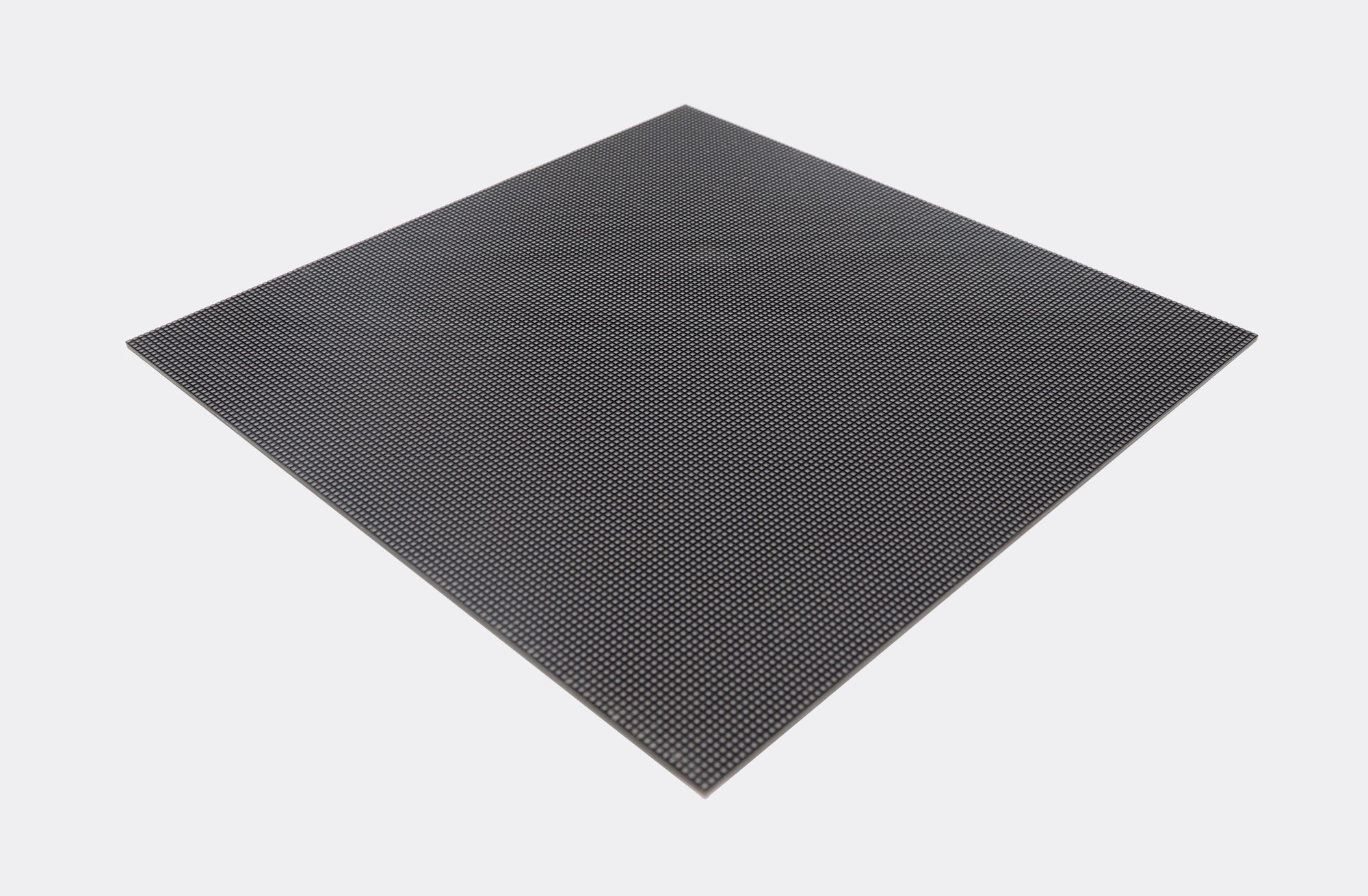
250×250mm Indoor LED Module
2.5 Viewing Angle & Uniformity
Wide viewing angles (up to 160°) and uniform color reproduction across panels ensure consistent visuals from any position in the room.
3.Features of Indoor LED Screens
3.1 Ultra-High Resolution for Close Viewing
Indoor LED screens feature fine pixel pitches such as P1.25 and P1.56, delivering sharp images and clear details. They are ideal for close-range viewing environments like meeting rooms, studios, and control centers.
3.2 Seamless Splicing Technology
High-precision cabinets enable gap-free splicing, creating smooth and continuous LED walls. This ensures an immersive visual experience without visible seams or misalignment.
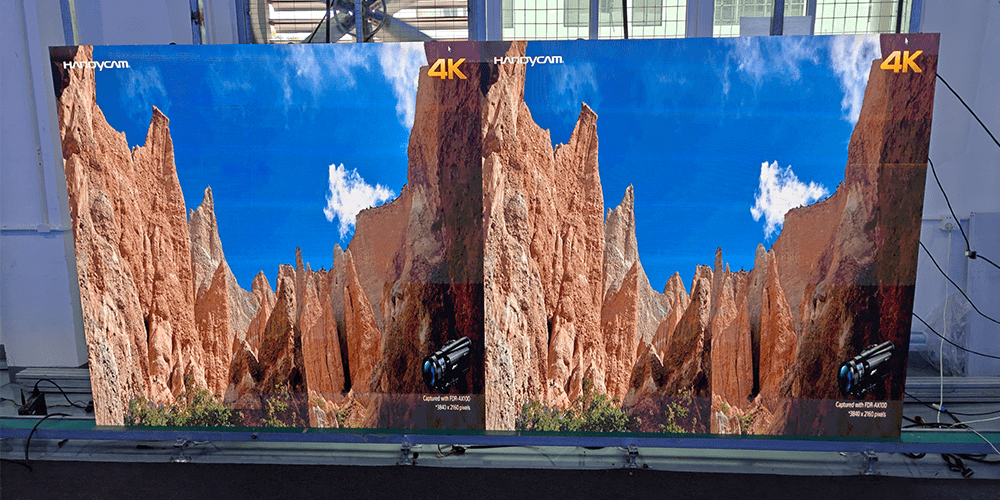
3.3 High Refresh Rate Performance
With refresh rates up to 3840Hz, indoor LED screens provide smooth motion and flicker-free visuals. They are highly camera-friendly, making them suitable for broadcasting and video recording.
3.4 Accurate and Vivid Color Reproduction
Advanced color calibration and grayscale adjustment deliver consistent brightness and true-to-life colors across the entire screen, enhancing image realism and visual impact.
3.5 Flexible Installation Options
Indoor LED screens support multiple installation methods, including wall-mounted, hanging, and floor-standing setups. This flexibility allows easy integration into different indoor environments.
3.6 Customizable Sizes and Aspect Ratios
Modular panel designs allow indoor LED screens to be customized in size and aspect ratio, meeting the needs of various applications such as retail displays, exhibition halls, and corporate branding spaces.
4.Types of Indoor LED Screen Technologies
Understanding the different technologies behind indoor LED screens helps in selecting the best option for your needs.
4.1 SMD vs COB vs GOB
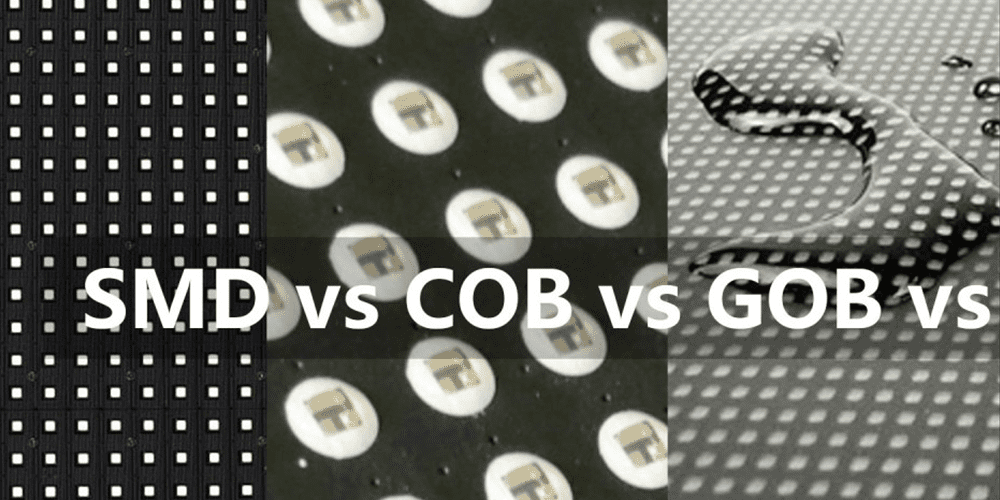
SMD (Surface-Mounted Diode): Widely used for fine-pitch displays, offering excellent viewing angles and color uniformity.
COB (Chip-on-Board): Provides ultra-smooth surfaces for very close viewing but comes at a higher cost.
GOB (Glue-On-Board): Protects LEDs with an epoxy layer, enhancing durability in high-contact areas.
| Feature | SMD | COB | GOB |
| Pixel Density | High | Very High | High |
| Surface Protection | Low | Medium | High |
| Viewing Angle | Wide | Very Good | Slightly Diffused |
| Repairability | Easy | Harder | Harder |
| Typical Cost | Moderate | Higher | Slightly Higher |
4.2 Indoor Fixed LED Display vs Indoor Rental LED Display
Indoor Fixed LED Displays: Permanent installations in venues like malls and corporate lobbies.
Indoor Rental LED Displays: Lightweight, modular designs for temporary events like concerts and exhibitions.
4.3 Indoor flexible curved LED screen
These innovative displays use soft PCB materials to create curved or wave-shaped installations, ideal for creative stage designs and architectural integration.
5.Applications of Indoor LED Screens
Indoor LED screens are highly versatile display solutions widely used across multiple industries, thanks to their high resolution, seamless splicing, and flexible installation options.
5.1 Retail Stores & Shopping Malls
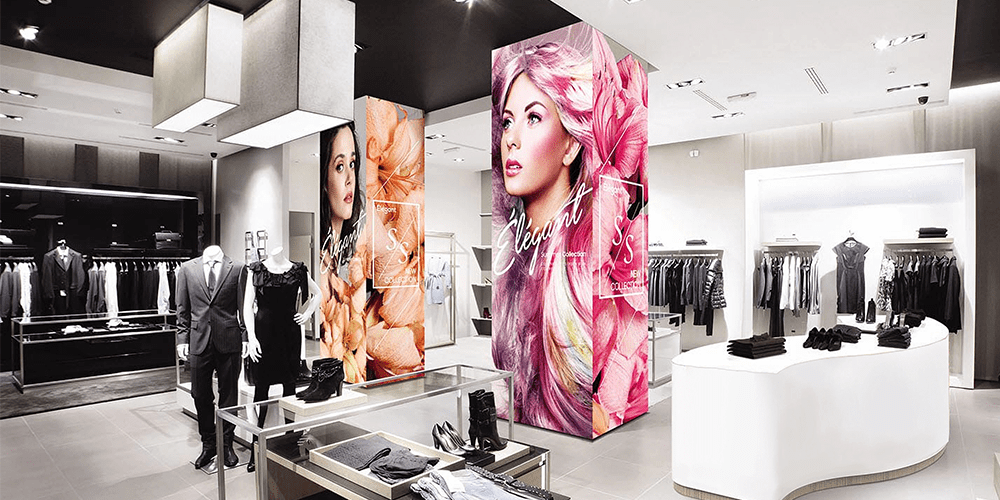
Indoor LED screens are commonly used for digital advertising, brand promotion, and interactive displays. Their vivid colors and dynamic visuals attract customer attention, enhance brand image, and improve in-store engagement.
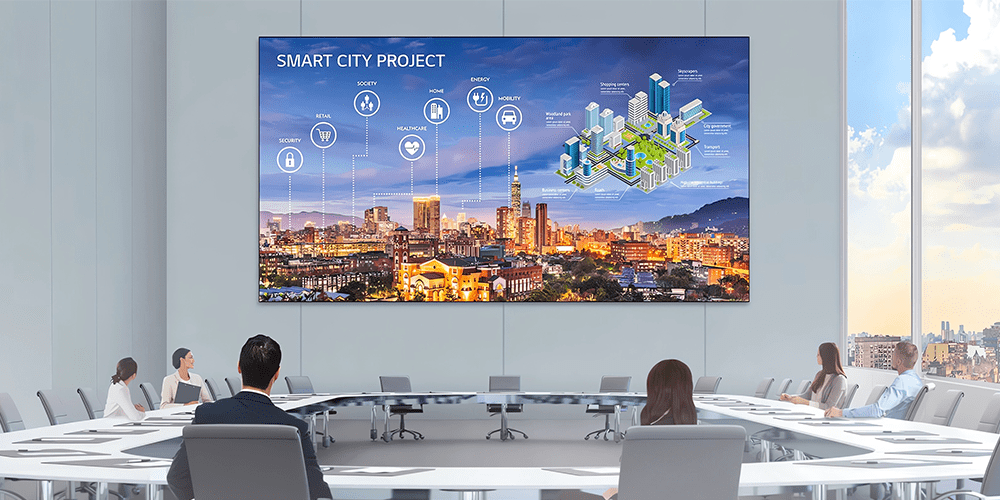
5.2 Corporate Offices & Conference Rooms
In corporate environments, indoor LED screens support presentations, video conferencing, and real-time data visualization. They provide clear, professional visuals for meetings, training sessions, and executive briefings
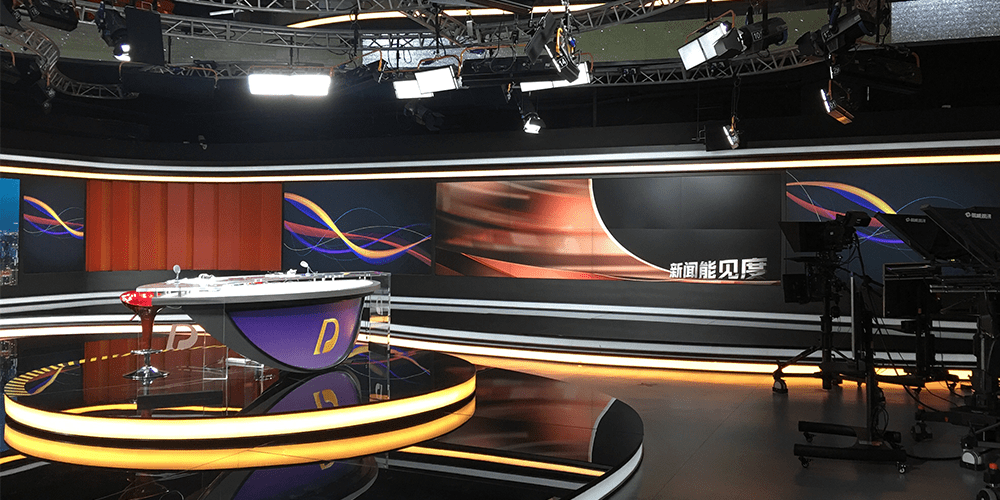
5.3 Broadcast Studios & Control Rooms
Indoor LED screens serve as studio backdrops, news walls, and monitoring displays. With high refresh rates and accurate color reproduction, they are ideal for live broadcasting, program production, and 24/7 control room operations.
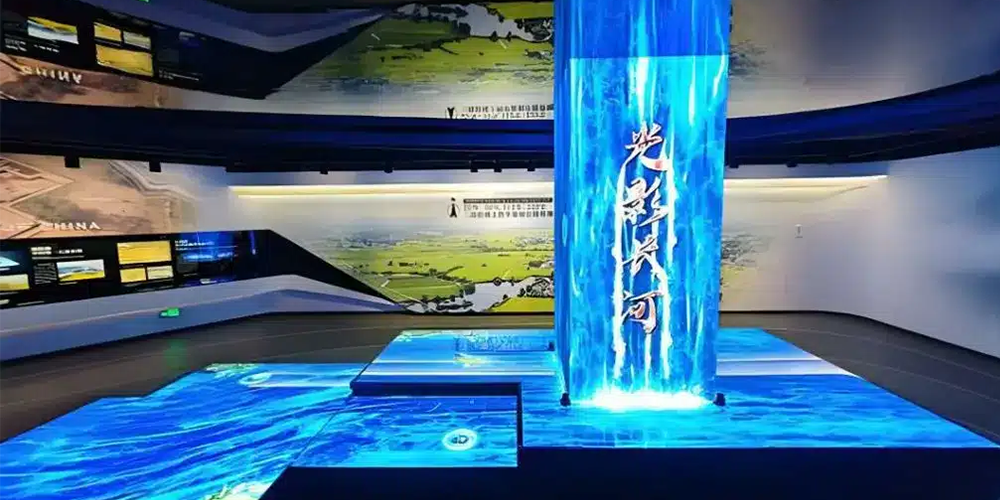
5.4 Museums & Exhibition Halls
Museums and exhibitions use indoor LED screens to create immersive storytelling experiences. They enable interactive exhibits, digital art displays, and informative visual content that enhances visitor engagement.
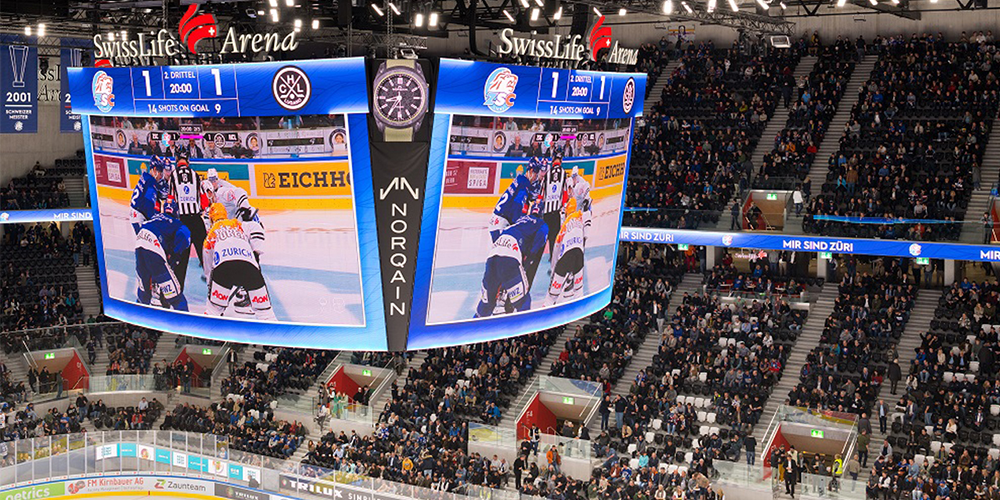
5.5 Sports Arenas & Stadiums
Indoor LED screens are used for scoreboards, information displays, and perimeter screens, delivering real-time match data, replays, and sponsor content with excellent visibility.
5.6 Education & Training Centers
Schools, universities, and training centers rely on indoor LED screens for visually rich teaching materials, simulations, and distance learning, improving comprehension and learning efficiency.
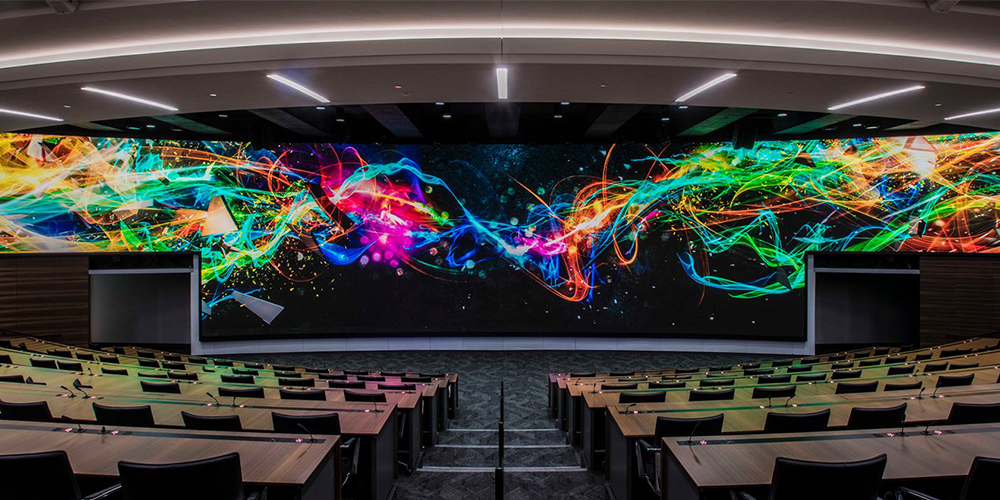
5.7 Hospitality & Entertainment Venues
Hotels, theaters, and entertainment venues use indoor LED screens for branding, event information, stage backdrops, and live performances, creating impactful visual experiences for guests and audiences.
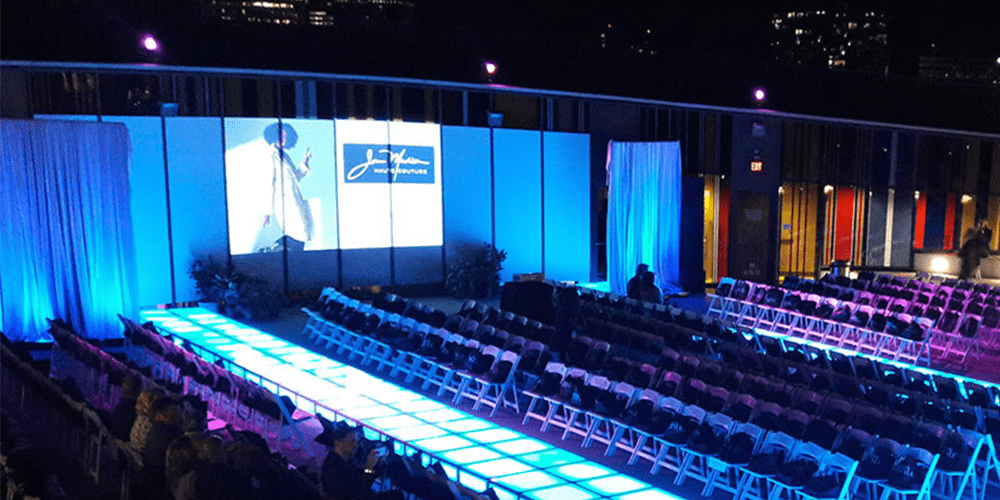
This wide range of applications makes indoor LED screens an essential display solution for modern indoor environments that demand high-quality visuals and reliable performance.
6.Recommended Indoor LED Screen Products
Below is a brief overview of some popular indoor LED screens models from EagerLED:
- Pixel Pitch Options:25, P1.53, P1.86, P2, P2.5, P3.076, P4
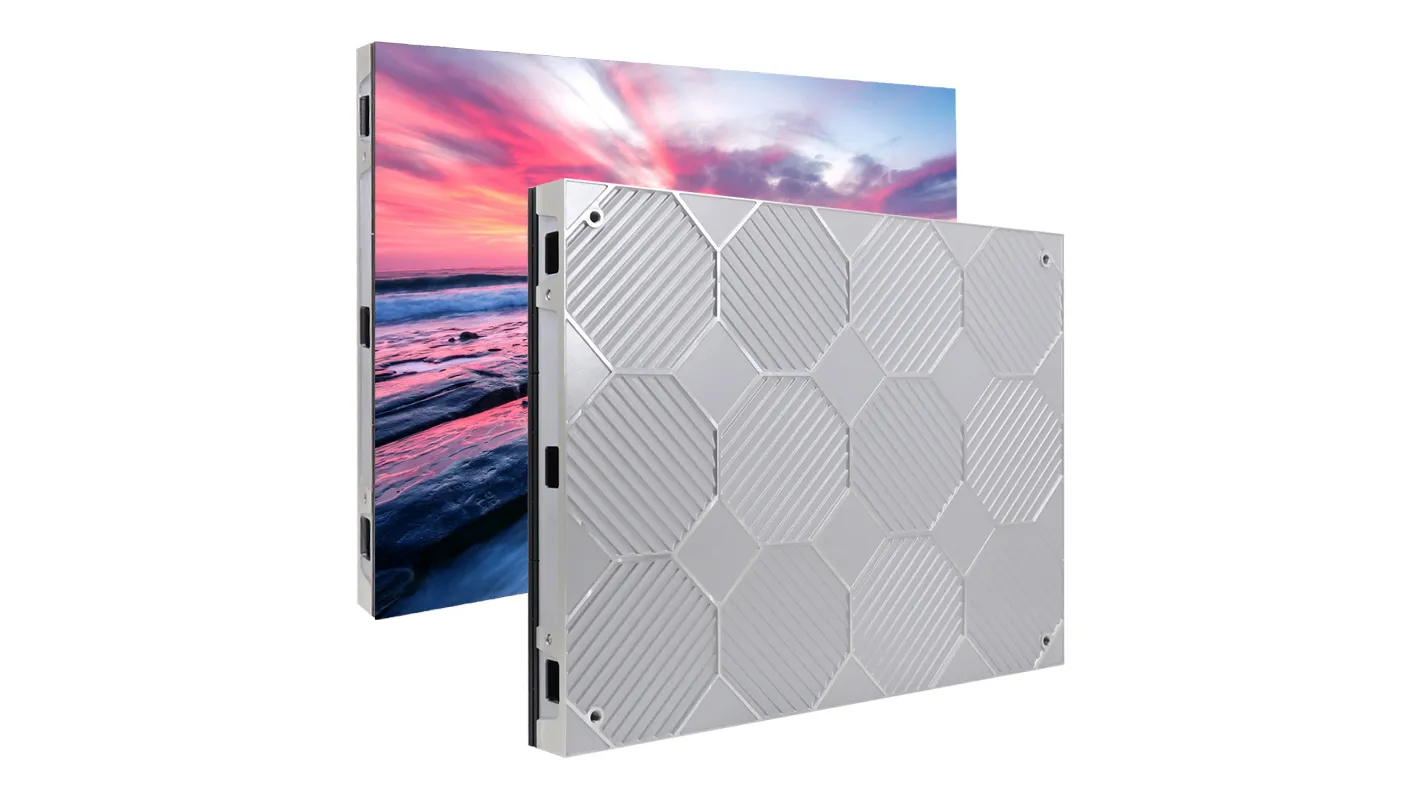
- Key Features:Featuring a classic 4:3 golden-ratio cabinet (640×480mm), the EA640F2 is ideal for building both 4:3 and 16:9 LED video walls. It offers flexible pixel pitch options, stable performance, and wide compatibility for conference rooms, control centers, and commercial displays.
- Pixel Pitch Options: 62, P0.78, P0.93, P1.25, P1.56, P1.87
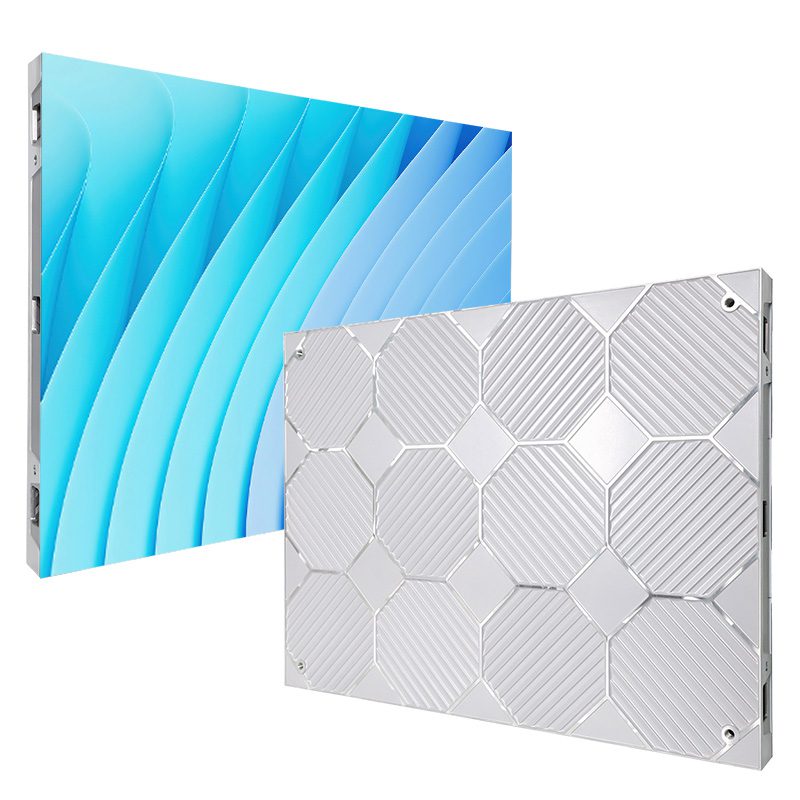
- Key Features:Designed with a standard 16:9 cabinet ratio, the EA600COB2 adopts advanced COB technology for superior flatness, durability, and image uniformity. It supports FHD, 2K, 4K, and 8K video walls, making it ideal for high-end indoor applications.
- Pixel Pitch Options:25, P1.53, P1.86, P2, P2.5
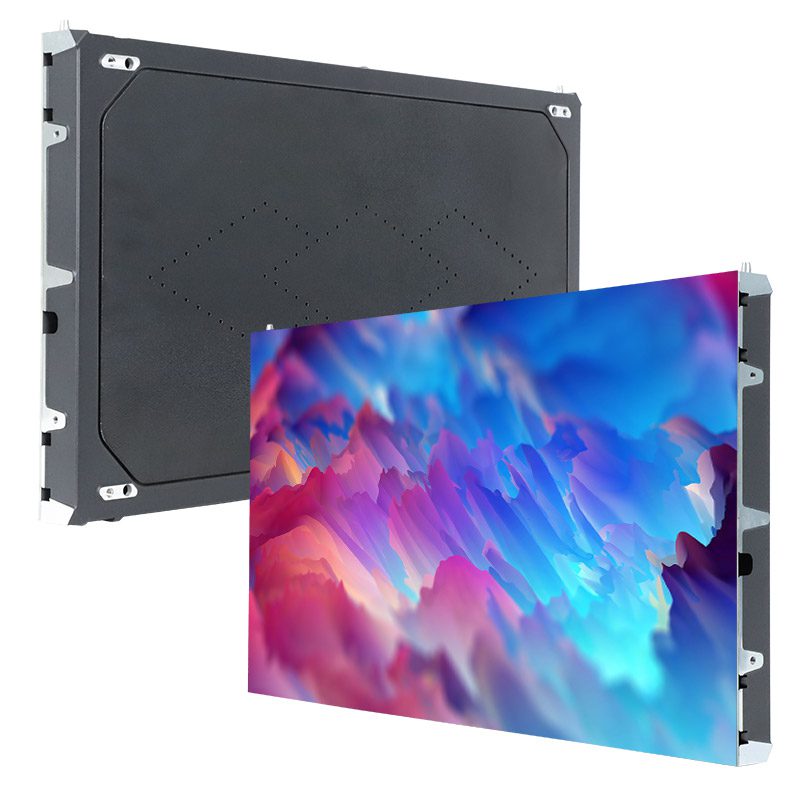
- Key Features:The EA640H1 features a full front-maintenance design with hard connection and plug-and-play structure, enabling fast installation and easy maintenance. It is well suited for indoor fixed installations where efficiency and reliability are essential.
7.How to Choose the Right Indoor LED Screen
Follow these steps to select the perfect indoor LED screen:
1.Understand Your Application: Identify primary use cases.
2.Determine Viewing Distance & Pixel Pitch: Match pixel pitch to viewing distance.
3.Consider Brightness & Refresh Rate: Ensure compatibility with ambient lighting and filming requirements.
4.Evaluate Maintenance Accessibility: Front-service designs simplify repairs.
5.Assess Screen Size & Installation: Choose a size and mounting method that fits your space.
6.Factor in Budget: Account for purchase, installation, and maintenance costs.
8.Pricing Factors for Indoor LED Screens
The cost of indoor LED screens depends on:
- Pixel pitch
- Screen size and resolution
- Cabinet material and build quality
- Refresh rate and color performance
- Maintenance features
- Brand reputation and warranty
Prices typically range from $1,000 to $5,000 per square meter.
9.FAQs
Q1: What pixel pitch is best for indoor LED screens?
A: For close viewing, choose P0.9–P1.5; for medium distances, P1.8–P2.5.
Q2: How bright should an indoor LED screen be?
A: Typically 600–1,200 cd/m², depending on ambient lighting.
Q3: What’s the difference between SMD and COB?
A: SMD offers better viewing angles, while COB provides smoother surfaces.
10.Conclusion
Indoor LED screens are powerful tools for creating impactful visual experiences in diverse settings. By understanding their features, technologies, and pricing factors, you can select the perfect display for your project. Partner with a reputable manufacturer like EagerLED to ensure quality, customization, and long-term support.
Ready to elevate your space with an indoor LED screen? Contact us today!
