

Your best exhibition screen solutions
In a competitive exhibition setting, how can you instantly grab visitors’ attention? How can you ensure your brand message stands out and remains unforgettable in a crowded, noisy environment? The answer lies in a professional exhibition screen.
By choosing our professional exhibition screen solution, you’re not just displaying products—you’re creating an unforgettable experience that will make your brand the center of attention, ensuring a steady flow of orders!
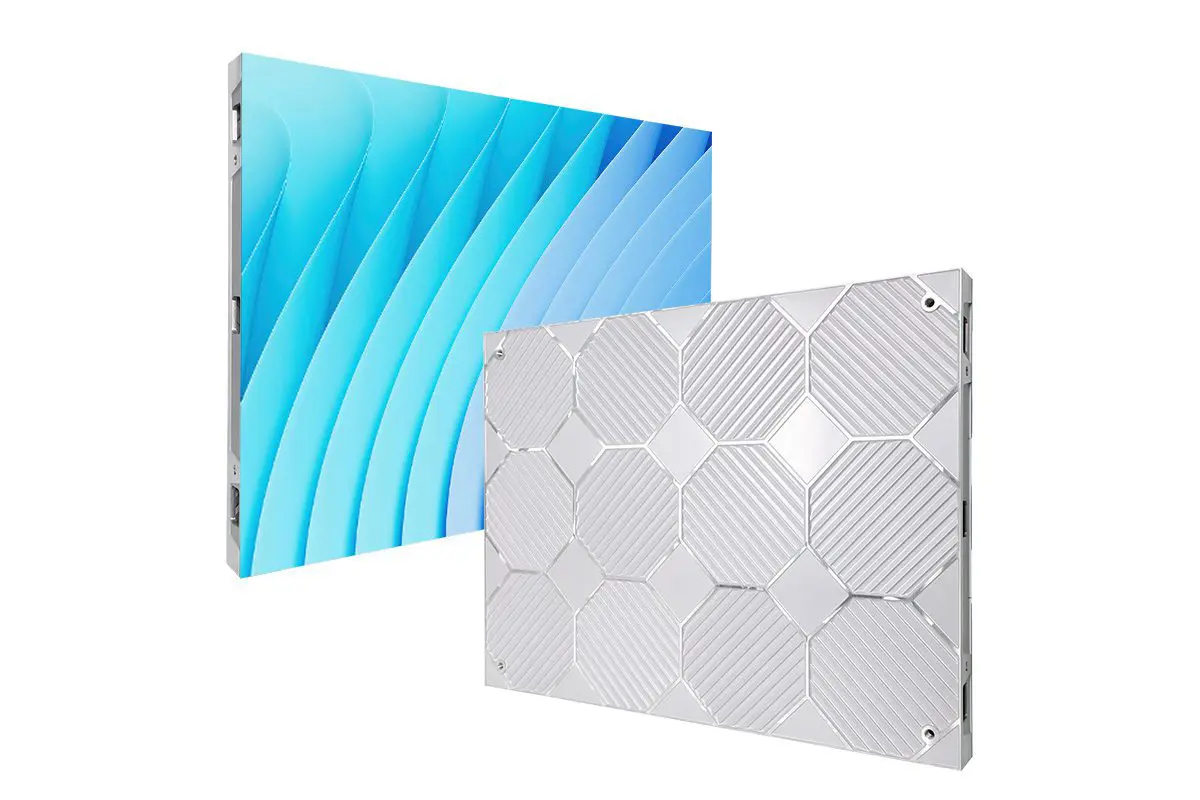
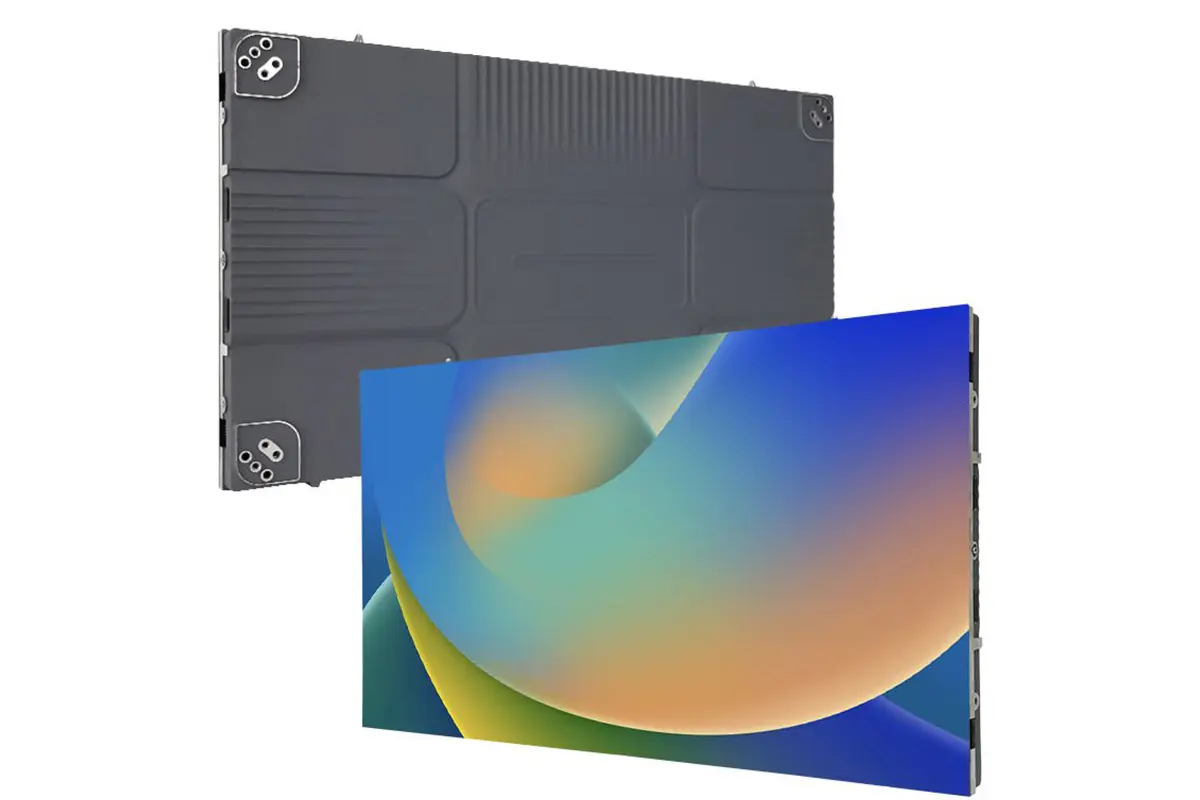
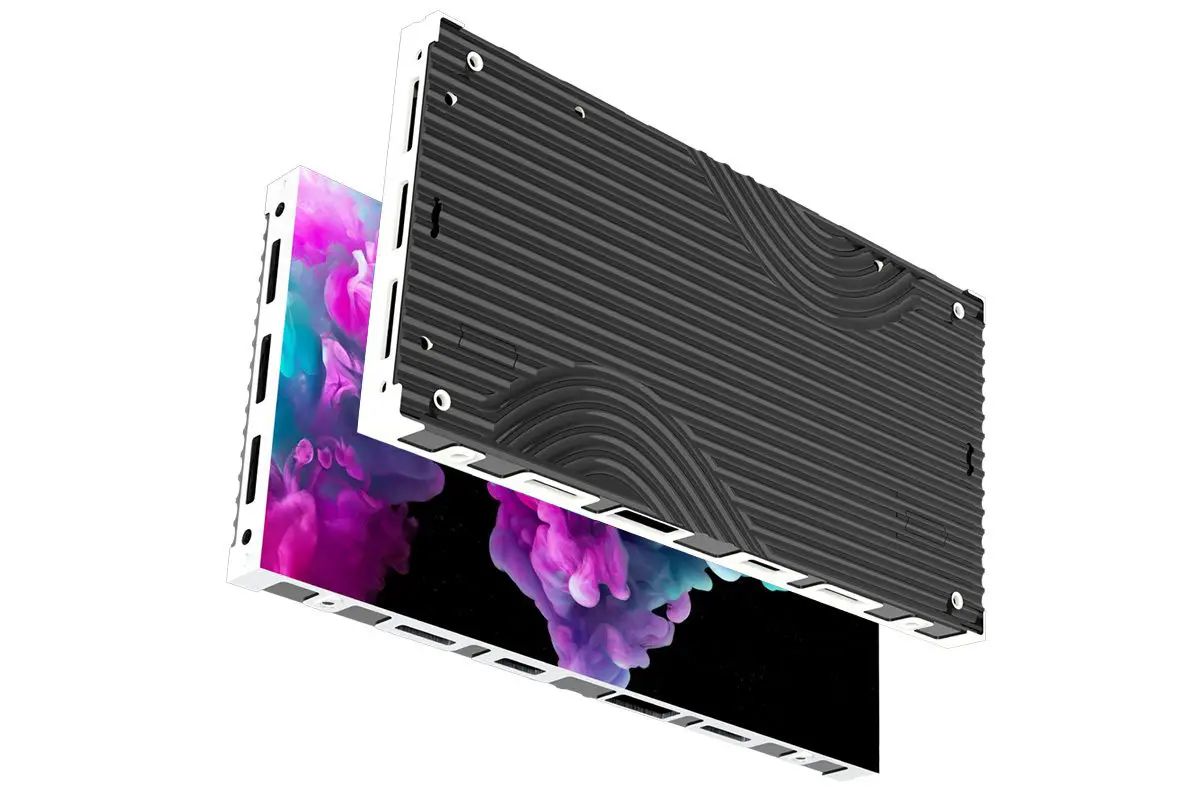
How do you present your exhibition?
Exhibition content can be presented with printed graphics, projection, LCD, LED, or interactive displays. Choose the medium by viewing distance, ambient light, available space, setup time, content format, and whether the booth must be reused at multiple events.
LED displays are useful when the booth needs a large seamless image, flexible dimensions, high brightness, camera-friendly playback, or fast modular assembly. LCD may suit smaller close-viewing areas, while printed graphics remain practical for static information. A mixed system is often more effective than replacing every surface with a screen.
Why are more people choosing exhibition screen?
Video displays bring products to life,Say goodbye to boring text!
Exhibition screen uses high-definition video and 3D animation to show how products work, their key features, and what makes them stand out.
For example, a screen can show a close-up of a smartphone’s inner parts or slow-motion tests of its foldable screen. It can even show details of advanced materials under a microscope, making complex technology easy to understand.
EagerLED exhibition screen cases
Australian customers used flexible LED screen in indoor exhibitions
Ecuador customers use EagerLED EA500C6 exhibition screen
Plan Your Exhibition LED Screen Budget
What are the different types of exhibition screens?
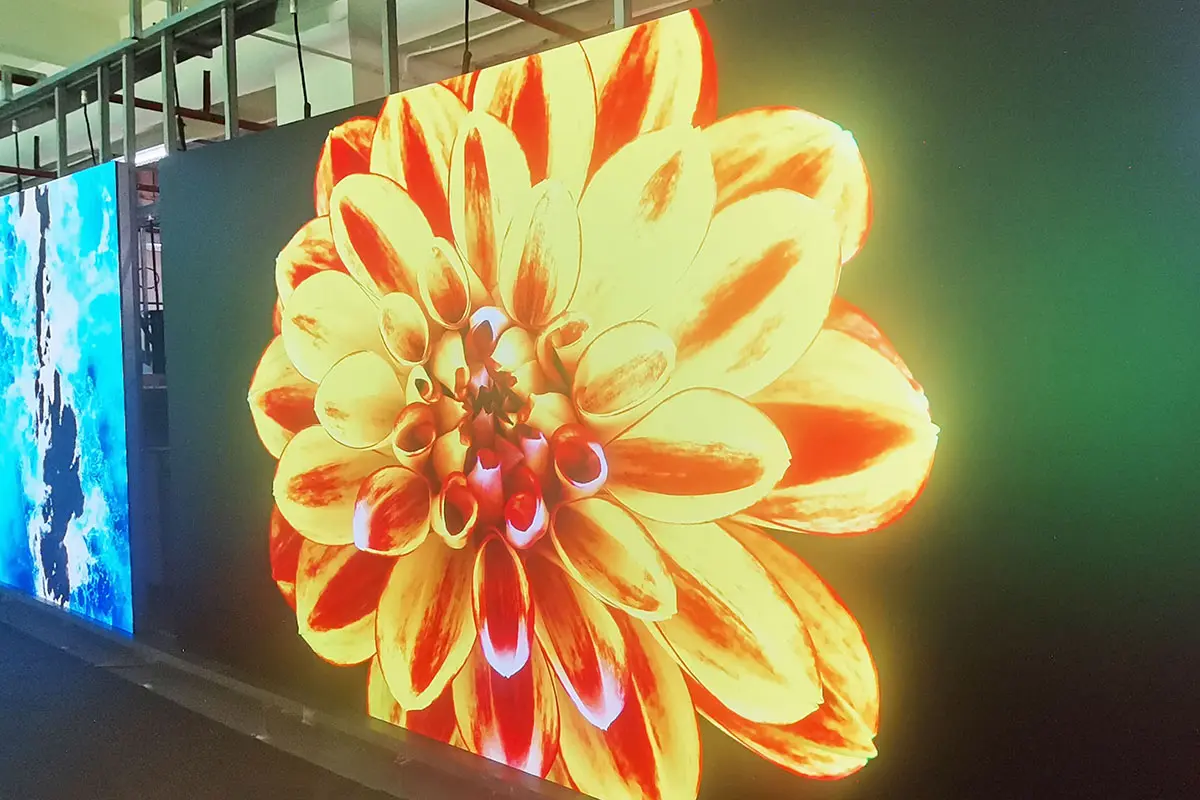
Giant LED Video Wall
Want your exhibition to make a bigger impact? A large exhibition screen is absolutely essential. The Giant LED Video Wall shows huge dynamic visuals that catch eyes from afar, making people stop and take notice. The closer you get, the stronger the visual impact feels, as if you’re wrapped inside the image itself. Visitors almost absorb your message without even realizing it.
Flexible LED Screen
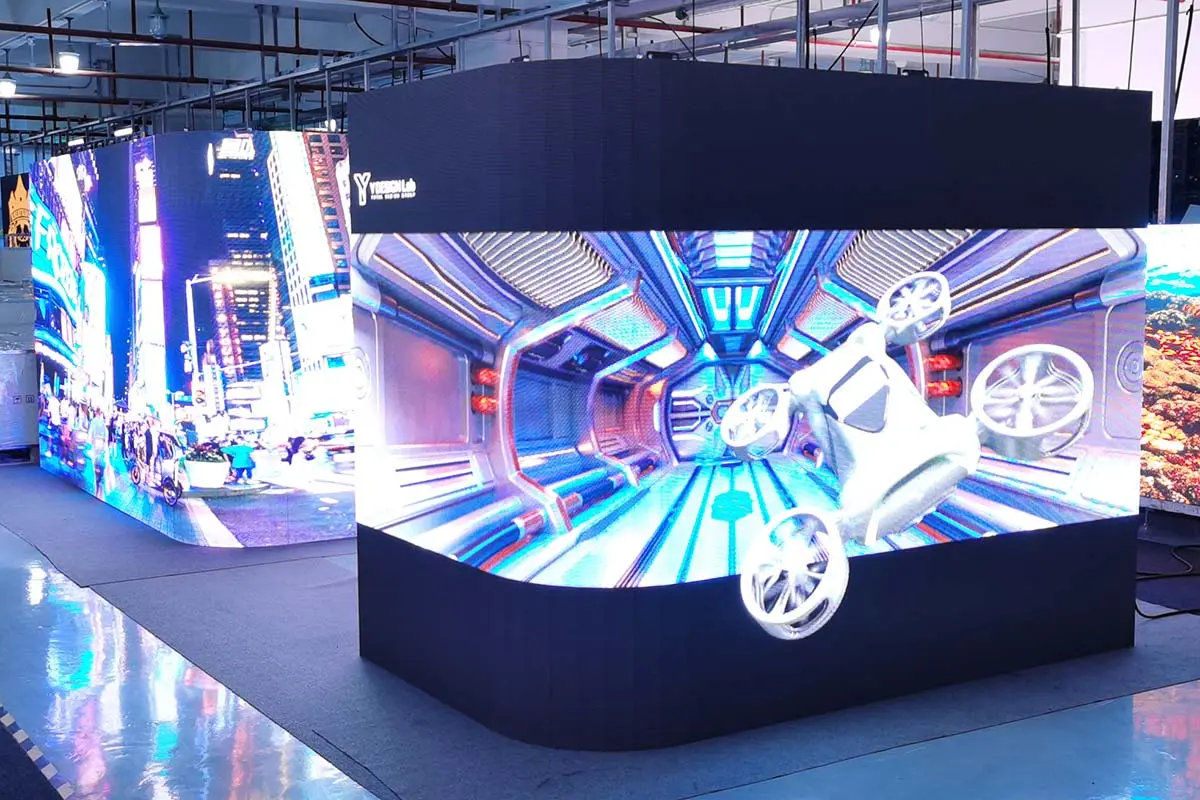
Wondering what kind of exhibition grabs young people’s attention these days? It’s definitely the creative ones that are perfect for photos and have a tech vibe. The Flexible LED screen fits this perfectly — it bends freely, forming waves, rings, tunnels, or even floating art installations. Lightweight, slim, and easy to install, it can turn any irregular space into a playground for your booth’s creativity.
Transparent LED Screen
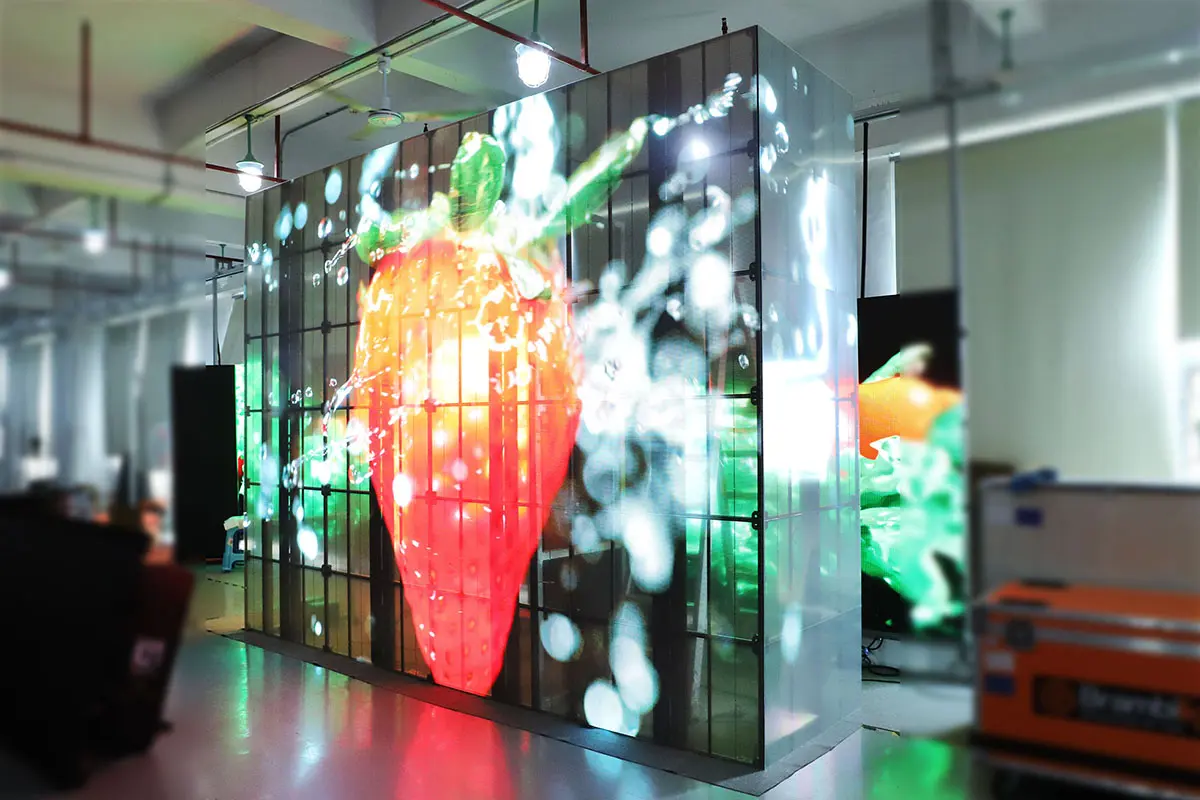
Transparent LED screens can show motion graphics while preserving sightlines through a window or open booth structure. They suit storefront-style exhibits, suspended visual layers, and spaces where a solid video wall would block products or architecture.
The trade-off is between transparency, pixel density, brightness, and viewing distance. Confirm the glass or rigging interface, power and data routes, service access, and ambient-light conditions before choosing a model. See the transparent LED screen guide for a detailed project checklist.
LCD Display Screen
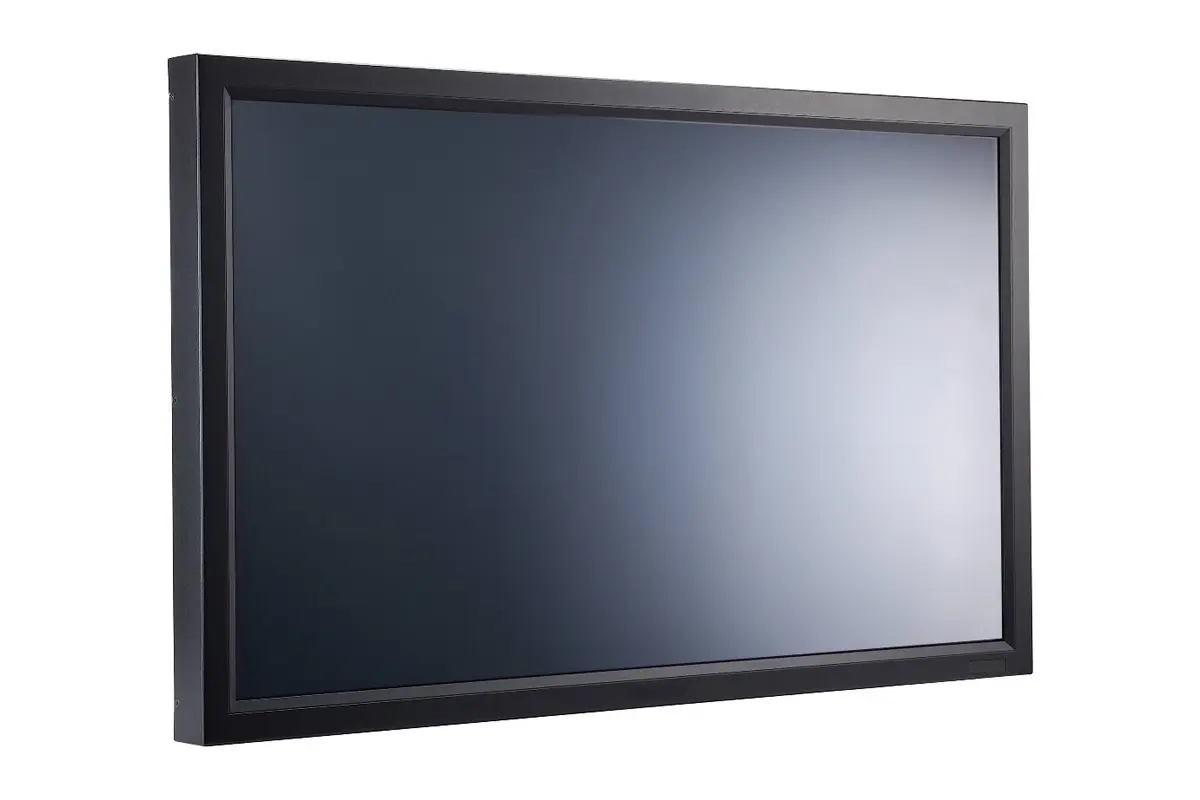
Compared to LED screens, LCD is more budget-friendly, making it a good choice for exhibitions with tighter budgets. But LCD screens don’t perform well in bright environments — they can’t match the high brightness of LED screens. Viewing angles and flexibility are also limited. When you join multiple LCD screens, noticeable black gaps appear, breaking up the image and affecting the overall viewing experience.
Touch Screen Display
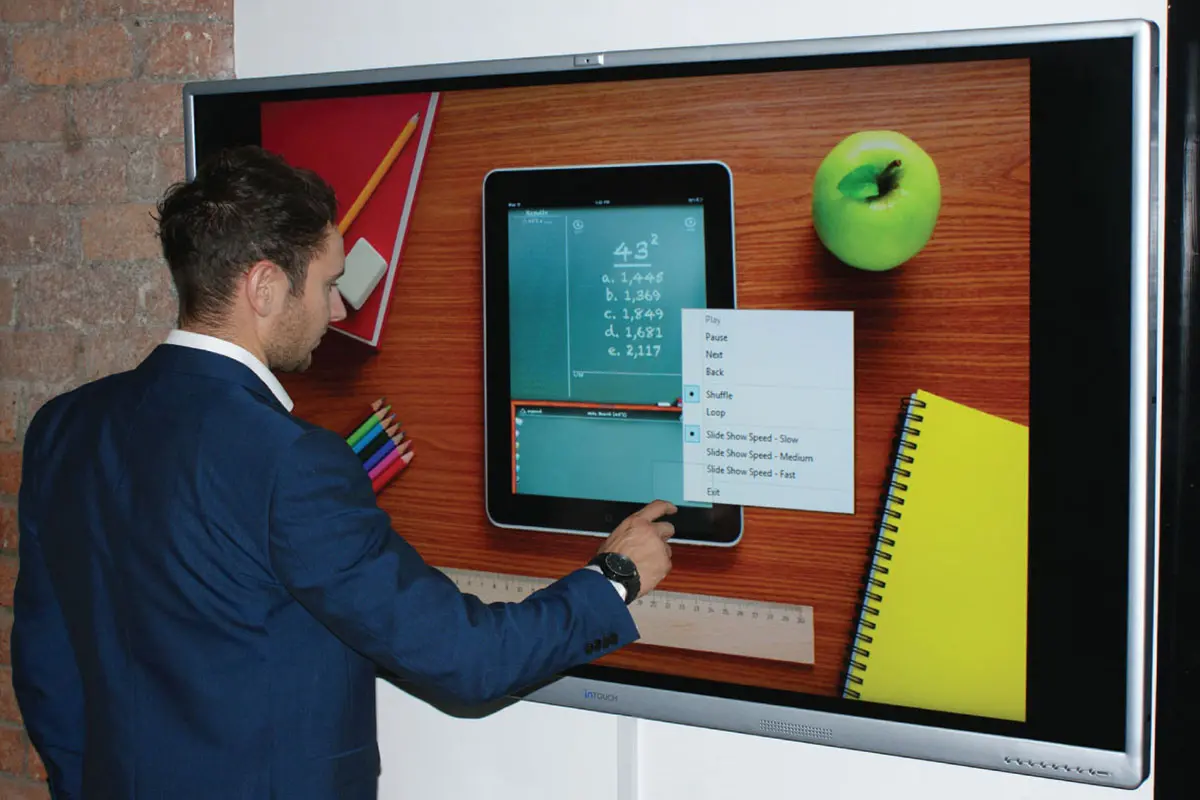
If your exhibition screen has touch or sensor-based interactive features, it will attract curious visitors eager to try it out. Many LED screens now support this kind of interaction. While others just watch, your booth becomes the place “everyone wants to play.”
Plan Your Exhibition LED Screen Budget
LED exhibition screen recommendations
EA600COB2 Full-Color COB LED Display
- Supports 4K/8K resolution, rich details, high clarity, suitable for displaying product details.
- A single cabinet weighs only 5.5kg, easy and fast installation, suitable for quick construction and disassembly before and after the exhibition.
- Supports front maintenance, no need to dismantle the entire screen, small faults during the exhibition can be quickly handled.
EA1000TiR LED transparent film screen
- 70% high transparency, suspended content, very easy to attract audiences to stop.
- Each screen weighs only 7.5kg, ultra-light and thin, no additional steel frame structure is required, and installation is very convenient.
- A wide viewing angle of 120° ensures that the content can be clearly seen from any angle in the exhibition hall, suitable for exhibition spaces with large flow of people.
The Ultimate Guide to Exhibition Screens: Details You Should Know
Whether you’re attending a trade show or hosting your own exhibition, an exhibition screen has become a must-have for displaying content and drawing in crowds. A high-quality, stable screen with a creative design can bring your products or artwork to life, making the display much more engaging. This lively presentation sparks curiosity and interest, which could lead to more potential orders.
At major events, the LED trade show display has replaced many traditional setups like posters and light boxes, becoming the main visual focus of the booth. Whether you’re promoting a brand, launching a product, or designing a creative space, the right exhibition display will make sure your booth stands out.
catalogue
- 1.What Is an Exhibition Screen?
- 2. Current Exhibition Screen Planning Trends
- 3.How to Choose the Right screen for Your Exhibition Booth
- 4. Top Benefits of Using LED Exhibition Screen
- 5.Installation and Maintenance Tips for Exhibition LED Screen
- 6. Where to Buy Reliable Exhibition Screen for Your Trade Shows
- 7. FAQs
- 8. Conclusion
1.What Is an Exhibition Screen?
An exhibition screen is an electronic display used in exhibitions, trade shows, and art spaces to showcase brands, products, or visual content. These screens come in various types, such as LCD screens, projection screens, interactive touch screens, and, of course, LED exhibition displays.
For example, at a tech exhibition, AR combined with interactive touch screens can show you the metaverse in action; in an art space, touch screens offer visitors an immersive experience; and at a commercial booth, high-definition rental LED screens play dynamic product videos, making technical details and features clear to see.
Among these, LED screens have become more and more popular in exhibitions because of their high-definition quality, flexible sizes, and strong visual impact. They are quickly becoming the main choice for exhibition screens.
In the next sections, I’ll explain why LED displays are so popular in exhibitions and how they can bring real benefits to your booth.
2. Current Exhibition Screen Planning Trends
Current exhibition display planning emphasizes visitor-controlled content, reusable modular systems, camera-ready visuals, and displays that fit the booth rather than dominate it. The useful question is not which trend looks newest, but which interaction helps visitors understand the product and gives booth staff a clear next step.
2.1 Practical Display Trends for Trade Shows
Interactive Features for Self-Experience
Interactive content can let visitors choose demonstrations, compare configurations, browse technical details, or trigger product scenarios without waiting for a full staff presentation. Touch, sensors, QR handoff, or scheduled playlists should be selected only when the team can test and reset them and when fallback content is available.
Plan visitor dwell time, accessibility, language options, input devices, network requirements, privacy, and offline operation before the event.
Ultra-HD Displays and Immersive Experiences
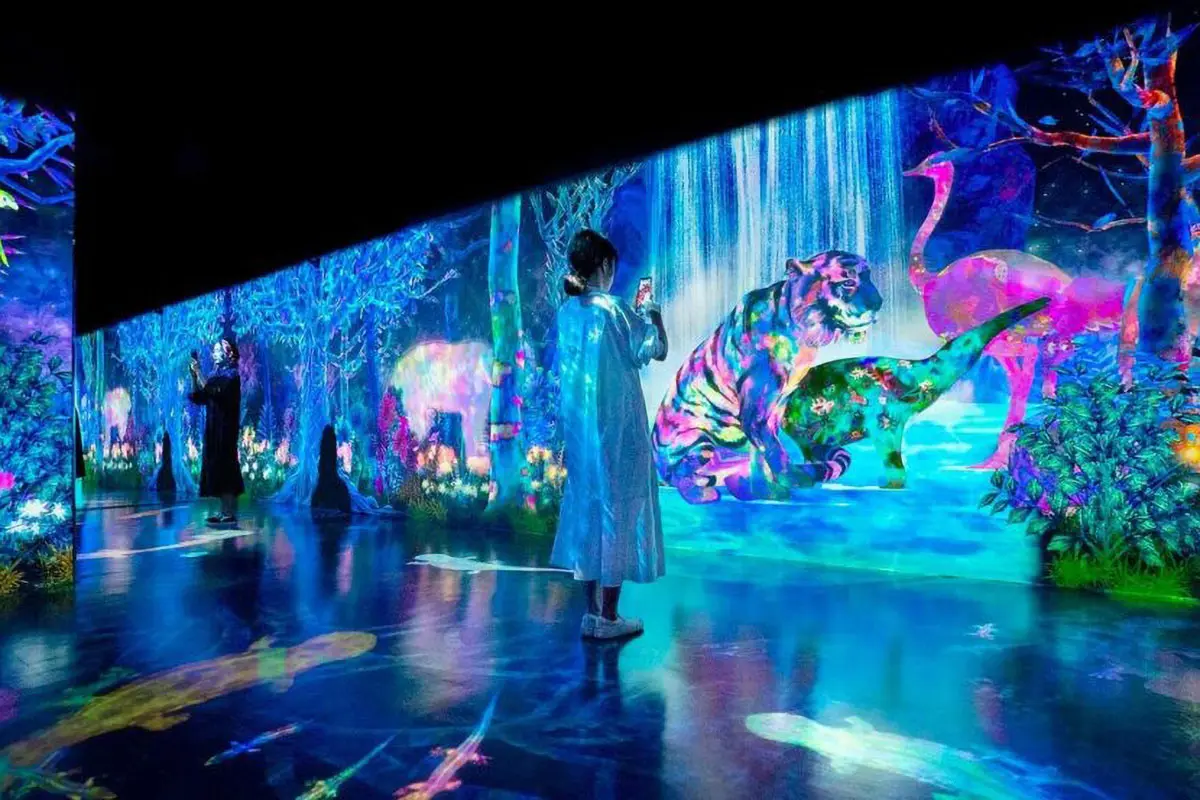
Higher-resolution and larger displays are useful only when the content, viewing distance, and playback system support them. Specify the active size and actual pixel matrix first; then confirm source resolution, aspect ratio, processor and canvas capacity, refresh rate, and camera requirements. An 8K label by itself does not guarantee a better booth experience.
Innovative Applications of Transparent and Flexible LED Screens
Now, more and more exhibitors are finding ways to increase interactivity and creativity in their booths without compromising the aesthetics of the space. Transparent and flexible LED screens are powerful tools for showcasing creativity.
Transparent screens can display dynamic content without blocking the view, maintaining an open feel in the space while delivering brand messages. The flexibility of flexible LED screens allows them to adapt to various unique shapes, such as curved walls, curved displays, or even suspended art installations.
Immersive Experience with Ultra-Large and Ultra-HD Screens
Using ultra-high-definition and oversized exhibition screens (like LED video walls), the fine picture quality and large-scale visual impact fully immerse visitors in the exhibit. The large screens become the visual focal point of the space, ensuring visitors’ attention is completely drawn to the display.
In museum exhibitions, quietly showcasing artifacts may not attract many visitors. A solution to this is to use a display format that appeals to younger audiences. For example, you could use a circular rental LED screen, surrounding the entire exhibition area from floor to ceiling. This setup would recreate ancient scenes, allowing visitors to walk through a panoramic virtual historical experience, almost as if they were traveling back in time.
3.How to Choose the Right screen for Your Exhibition Booth
Choosing the right exhibition screen isn’t complicated; the key is to make decisions based on your budget and the specific needs of the exhibition. Here are a few questions to help you make a clearer judgment on which type of screen to choose:
3.1 What kind of exhibition are you attending?
Large-Scale Trade Shows: If you’re exhibiting at a large trade show, your primary goal is to attract as many visitors as possible and generate orders. To achieve this, you might need a large exhibition screen. A rental LED screen or large-format LED screen would be ideal for delivering stunning visuals and a powerful impact. These large screens can make your booth stand out in a crowd, boosting your booth’s visibility and increasing its potential for business conversions.
Art Exhibitions or Personal Product Displays: If you’re participating in an art exhibition or a personal product showcase, your goal is to create a unique atmosphere, attract visitors, and showcase your creativity and artistic sense, helping you gain more recognition. In this case, choosing high-resolution LED screens or transparent LED screens would be beneficial. These screens not only display fine details of artwork but also enhance creativity and attraction without compromising the aesthetic beauty of the exhibition space.
3.2 What effect do you want to achieve with the exhibition screen?
To Gain Orders: If your goal is to increase orders through the exhibition, you need to capture the attention of potential customers and spark their interest in making a purchase. In this case, select an exhibition screen that can clearly showcase your product’s advantages and usage scenarios. Engaging visuals and product demonstrations will help attract visitors and stimulate their interest.
To Build Brand Recognition: If your main goal is to boost brand or personal visibility, attracting more attention and media coverage, you may need a more creative or unique display method. Curved LED screens and flexible LED screens are excellent options here. These screens can be bent, folded, or even wrapped around columns to provide unique visual effects that stand out and grab attention.
3.3 What is your budget?
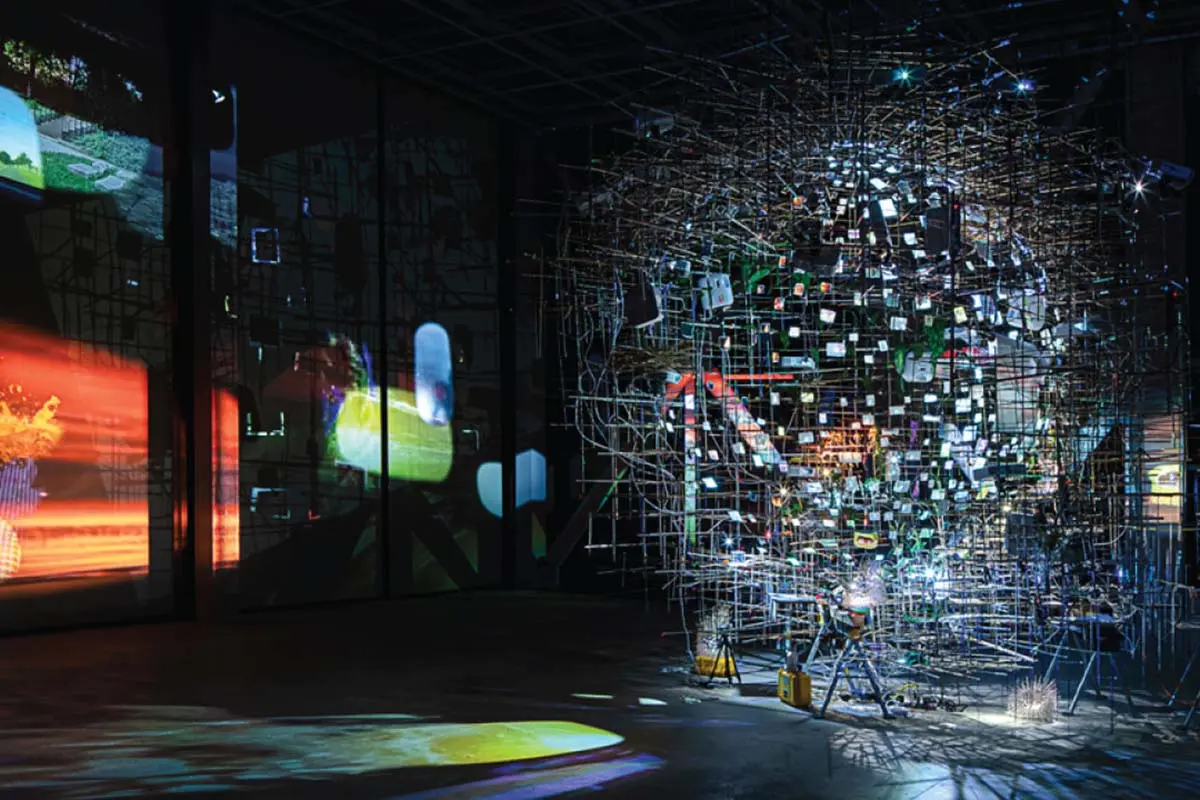
Budget plays a crucial role in choosing an exhibition screen. There is a significant price difference between different types and sizes of screens, so decisions should be made based on your available budget.
Low Budget: If you have a limited budget, consider portable LED screens or rental LED screens. These options offer sufficient display effects, are ideal for smaller booths, and are easy to set up and take down, offering good value for money.
Medium to High Budget: If your budget is moderate, you might want to go for high-resolution LED screens or interactive displays. These screens not only provide high-definition displays but also increase the interactivity of your booth, making them ideal for medium-sized booths or exhibitors who want higher-quality displays.
High Budget: If you have a generous budget, LED video walls or transparent LED screens are great choices. While these screens may be pricier, the visual impact and effectiveness they provide are unparalleled, making them perfect for large trade shows, high-end brand displays, or artistic and creative exhibitions.
4. Top Benefits of Using LED Exhibition Screen
Although there are many types of exhibition screens to choose from, I highly recommend the LED screen. It not only offers overwhelming advantages in visual effects but also excels in several other performance aspects.
LED Exhibition Screen is Suitable for All Spaces
LED displays can be used in a variety of environments:
- Indoor: Small-pitch LED displays, such as P1.39 and P0.6, have extremely high pixel density and fine image quality. Visitors can watch from close up without noticing any pixelation.
- Outdoor: With an IP56 or higher protection rating, you can confidently place it under the sun, in heavy rain, or in extreme temperatures.
Easy to Install and Dismantle
Rental LED screens feature a modular installation design, making setup and removal very simple. You can adjust the screen’s size and shape flexibly to fit your booth’s space needs. This easy installation method saves both time and costs, while also enhancing display flexibility.
Customizable to Your Needs
Unlike other exhibition screens, LED displays can be customized in many ways:
- Shape: Whether circular, curved, or irregular, LED screens can be tailored to match your desired design. If you can imagine it, EagerLED can make it happen.
- Pixel Pitch: For indoor use, small-pitch LED displays, typically below P2, are ideal. For outdoor or large-scale events, screens with larger pixel pitches (like P2.5 or P3) can be used。
- Interactive Features: To boost audience engagement, LED screens can be equipped with touch, motion-sensing, or voice control features.
Energy-efficient and Environmentally Friendly
Imagine how much electricity it would take to run an exhibition screen for an entire day. Especially at large exhibitions or advertising displays, continuously running screens can lead to high energy costs.
Compared to traditional screens, LED displays use advanced light source technology, significantly reducing power consumption. They are highly energy-efficient, so even when running for long hours, they consume much less electricity than LCD or projection screens. This helps lower electricity costs, even for all-day exhibitions, making them a more cost-effective solution for long-term use.