

3D Advertising Billboard: Screen and Content Planning
A 3D LED advertising billboard uses perspective-mapped video to create an apparent depth effect from a planned viewing zone. The display remains a physical LED surface; the creative content, screen geometry and audience position work together. Define that viewing zone before choosing the cabinet layout and commissioning content.
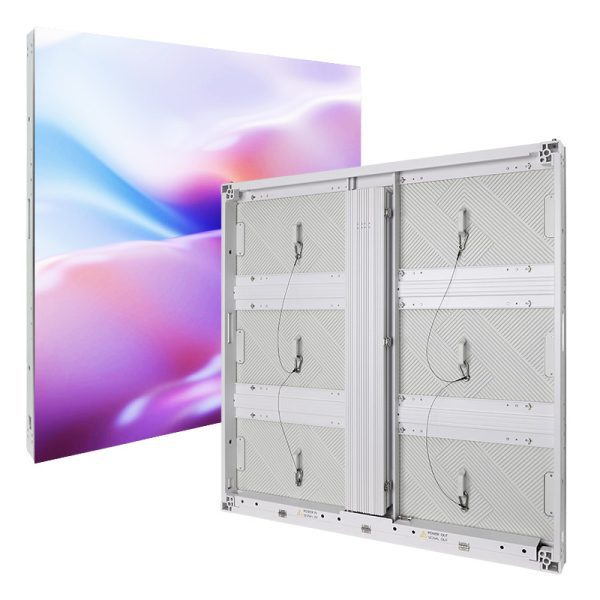
Supports Arc Corner Splicing, Front and Rear Service
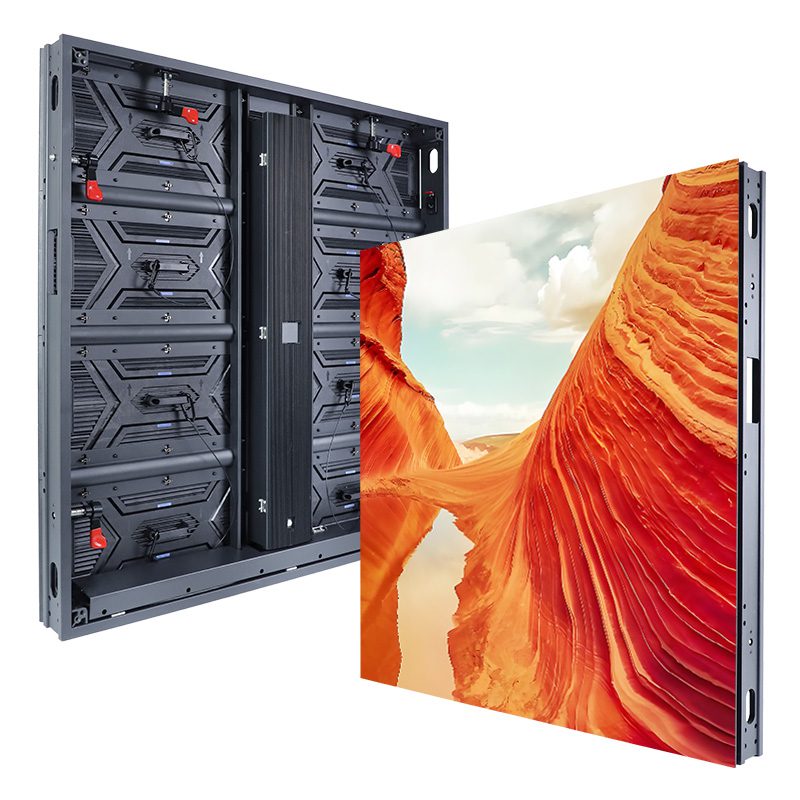
EA1000F1 Outdoor Digital LED Screen
3840Hz Refresh Rate, Front and Rear Maintenance Access
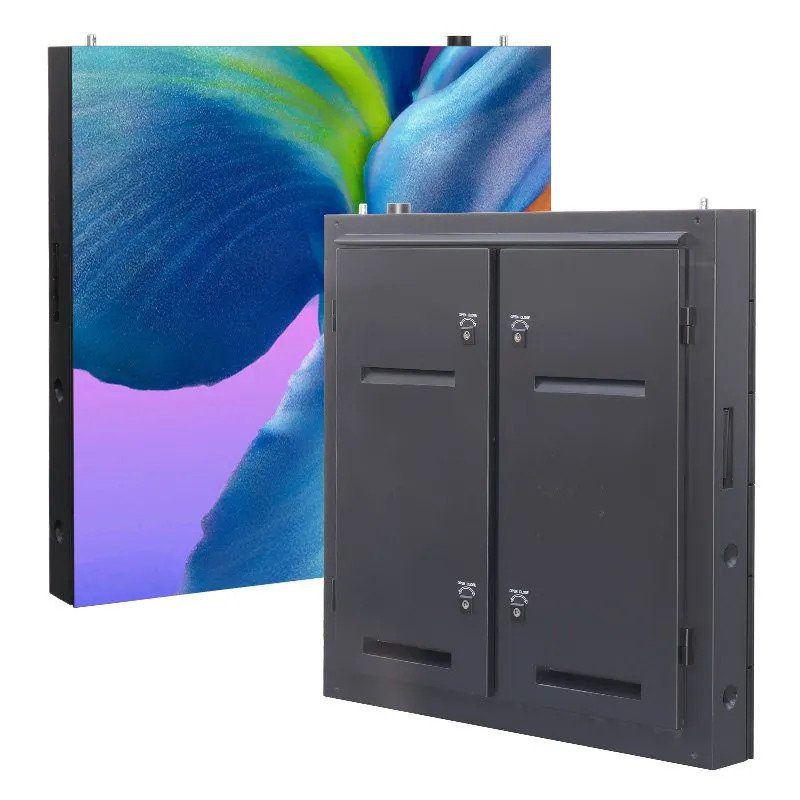
Seamless Splicing, High-Quality Driver ICs
The Best LED Display Solution for You
Key Features of 3D LED Billboards
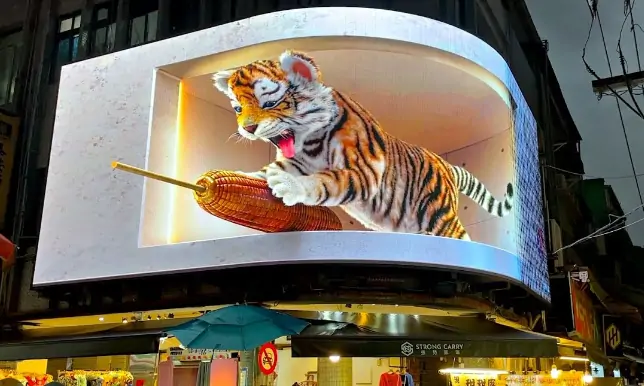
Eye-Catching Visual Impact
3D LED billboards instantly grab attention with their lifelike visuals and depth perception. Unlike traditional 2D ads, these displays create the illusion of objects popping out of the screen, with the perceived effect dependent on content, viewing position and site conditions.
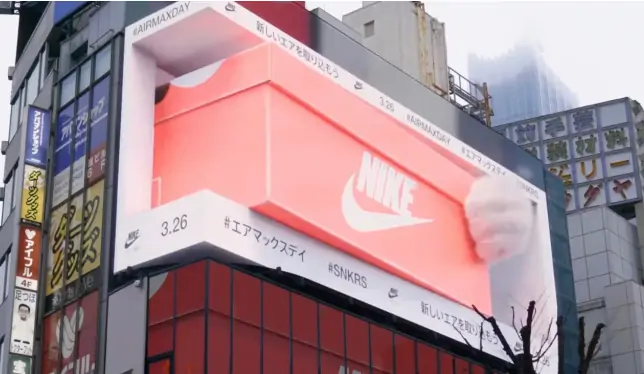
Enhanced Brand Storytelling
By adding depth and dimension, 3D LED billboards allow brands to tell more compelling stories. Whether it’s a sneaker leaping off the screen or a car racing toward the audience, the immersive effect engages emotions and make them feel more real and memorable.
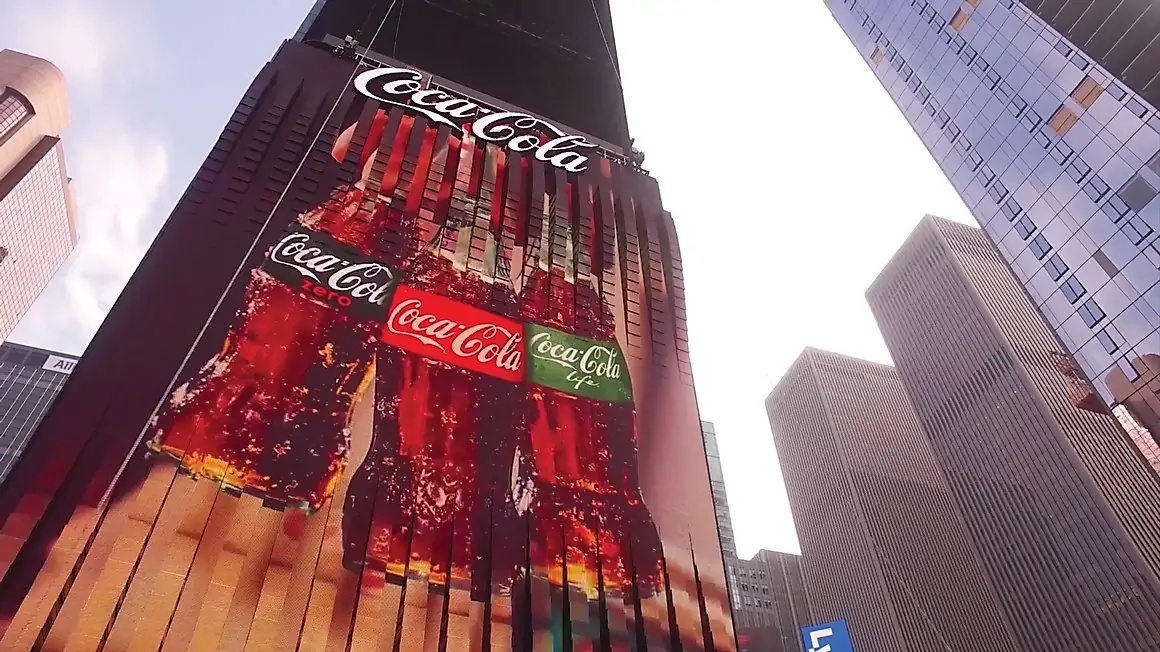
Higher Audience Engagement
The interactive feel of 3D content encourages audiences to take photos and share them on social media, generating organic buzz. Any online sharing and brand response should be measured separately; neither follows automatically from the display format.
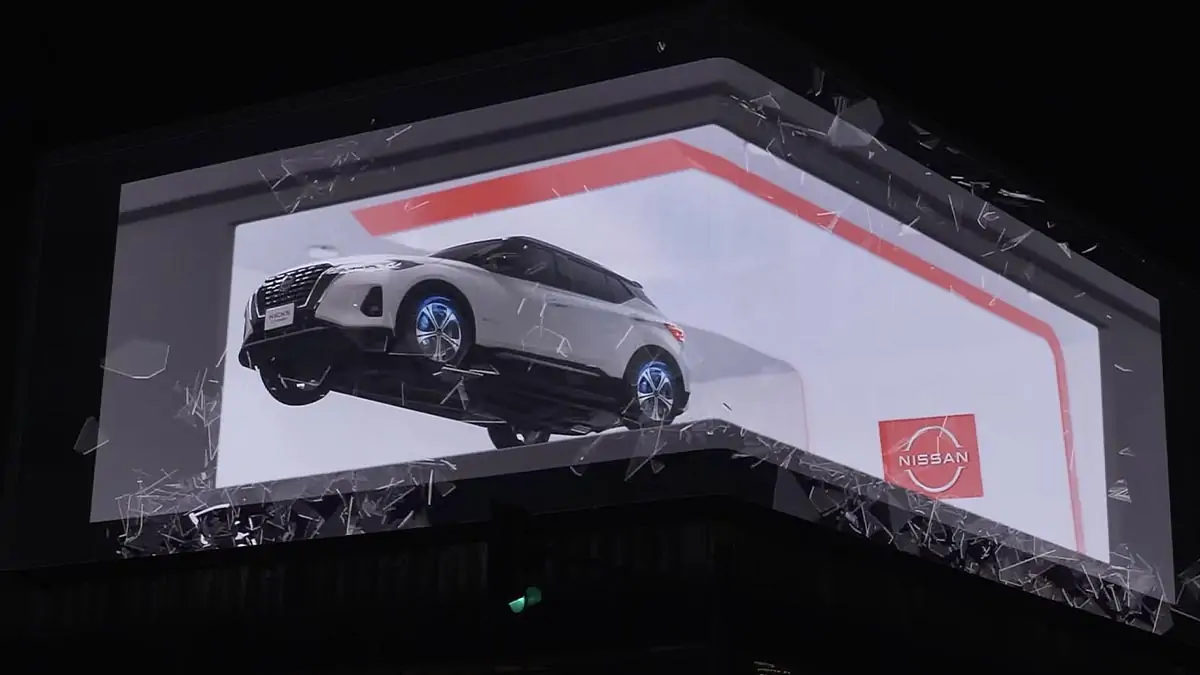
Premium Advertising Value
Evaluate advertising value using the actual site audience, viewing zone, content production costs and campaign measurements. A 3D effect alone does not establish a higher advertising rate, stronger recall or a return on investment.
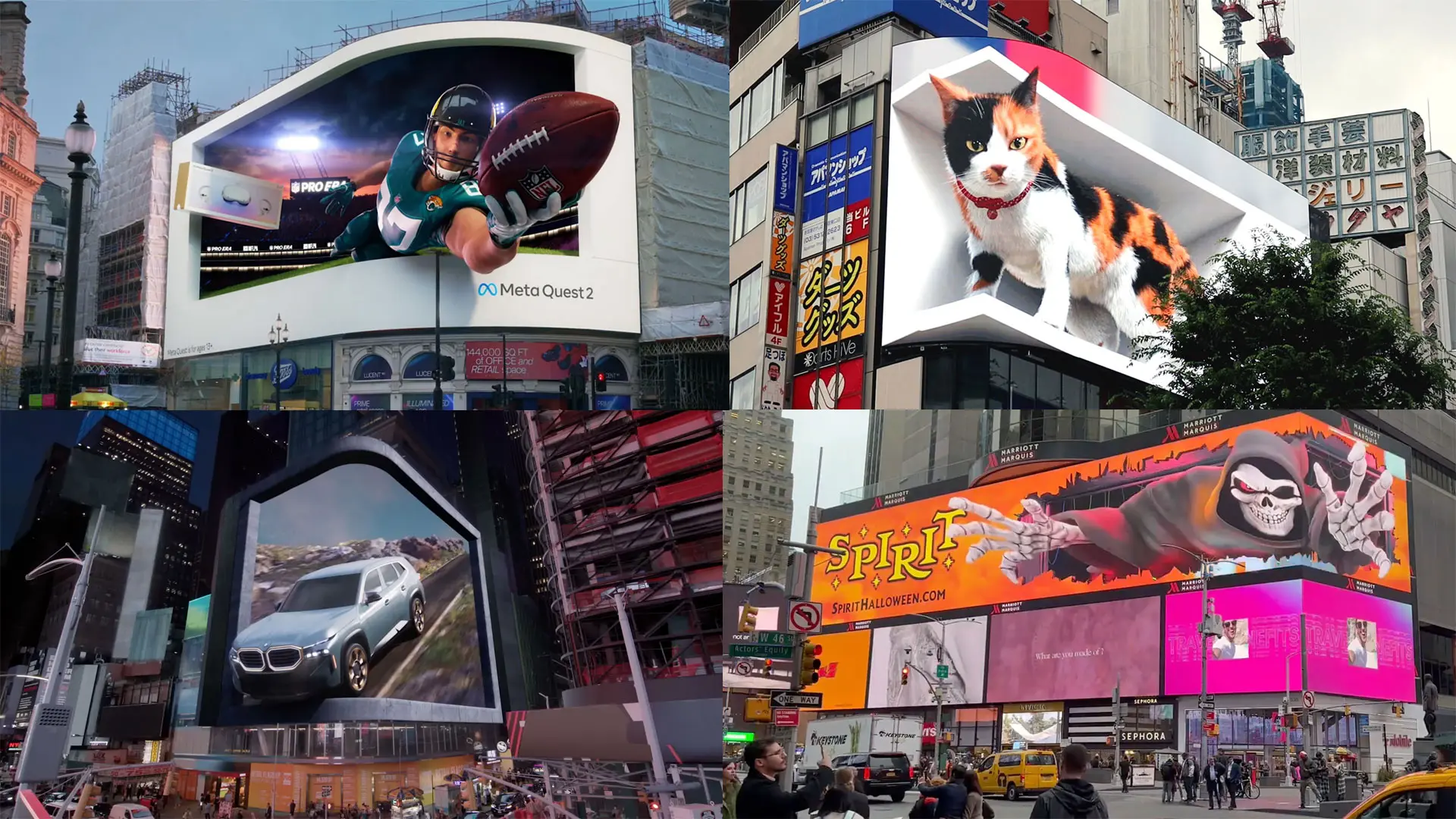
Versatility for Multiple Industries
From fashion and automobiles to entertainment and tech, 3D advertising billboards are versatile enough to showcase any product or service. Their ability to adapt to diverse creative concepts makes them suitable for global campaigns as well as local promotions.
Content and Maintenance Planning
Plan for content updates, playback compatibility, access for maintenance and replacement parts. Any interactive or camera-based features need a defined system design and separate validation; a 3D billboard is not automatically compatible with every future content technology.
Discuss Your 3D LED Billboard Project
3D Ad Billboard Videos
- 3840Hz High Refresh Rate
- 6000CD/m² High Brightness
- Energy-Efficient PCB Board
- Curved Installation Support
- Fully Sealed Die-Cast Aluminum Cabinet
- Built-in Safety Harness Design
EA1000F1 Outdoor LED Video Wall
- Five Cabinet Size Options
- Supports 90° and Curved Splicing
- Ultra-High Brightness up to 6000 nits
- Front and Rear Maintenance Access
- Stable Hard-Wired Connections
EA-OFixed Outdoor LED Billboard
- Equipped with High-Quality Driver ICs
- Seamless Splicing Design
- Durable Iron Cabinet with Heat Treatment
- Precision-Engineered Cabinet Design
- Efficient Heat Dissipation
- Wide 140° Viewing Angle
3D Advertising Billboard vs. Traditional Billboards: Which is Better?
Compare a 3D advertising billboard with conventional LED playback using the same site, audience, display size and campaign duration. This guide provides a purchasing framework, not measured evidence of higher engagement, recall or return on investment.
Separate printed signs, conventional digital LED playback and perspective-mapped 3D creative. A conventional LED display may support suitable 3D creative, but the screen geometry, viewing zone, resolution and playback system must be checked. Neither format guarantees campaign results.
Table of Contents
- 1. How Does 3D Advertising Billboard Work?
- 2. 3D Billboard vs. Traditional Billboards: Which is Better?
- 3. What is the Value Proposition of A 3D Digital Billboard?
- 4. Public Campaign References and Project Checks
- 5. Key Factors to Consider Before Buying 3D Advertising Boards
- 6. How Much Does 3D Advertising Billboard Cost?
- 7. FAQs
- 7. Conclusion
1. How Does 3D Advertising Billboard Work?
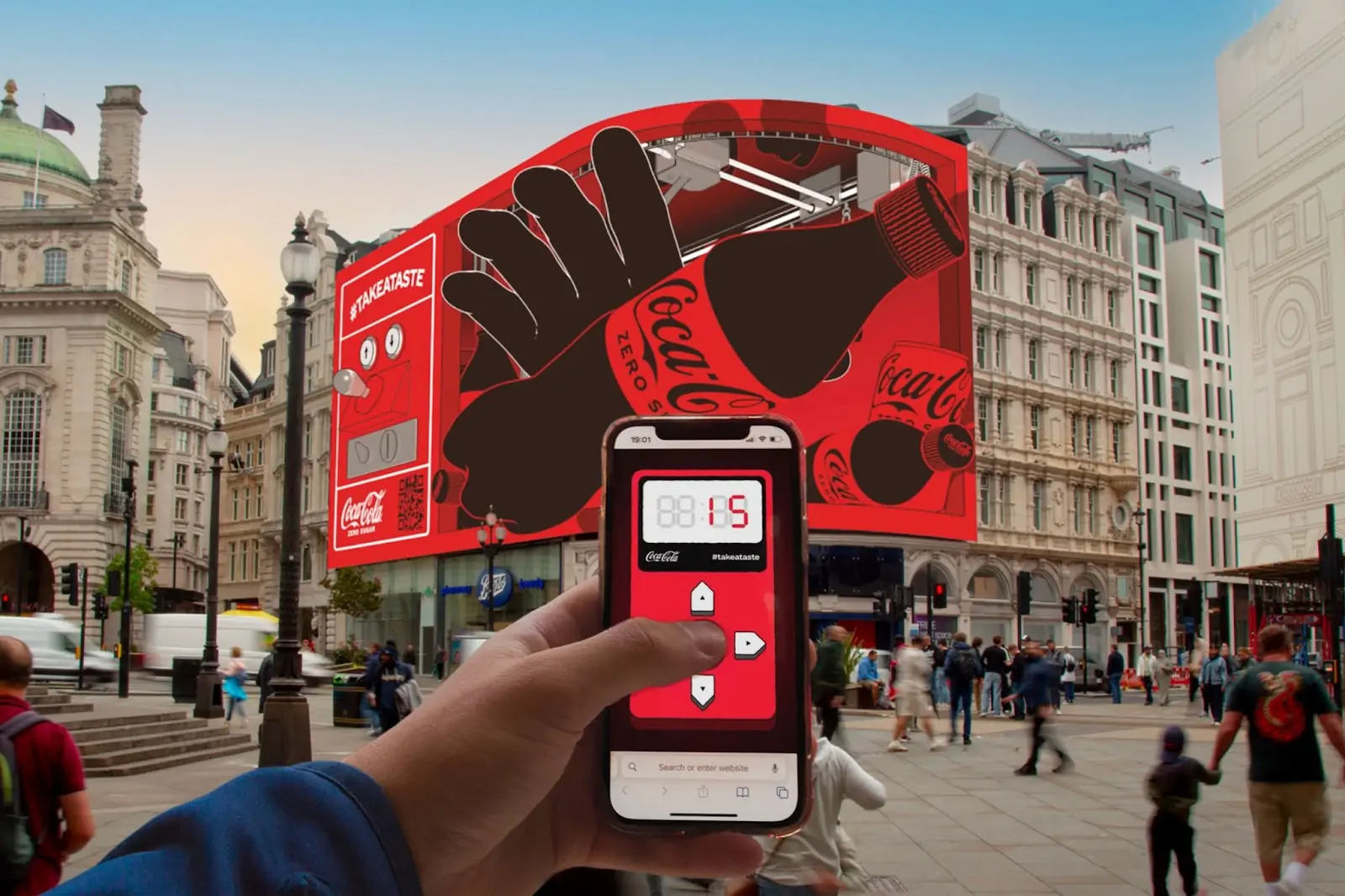
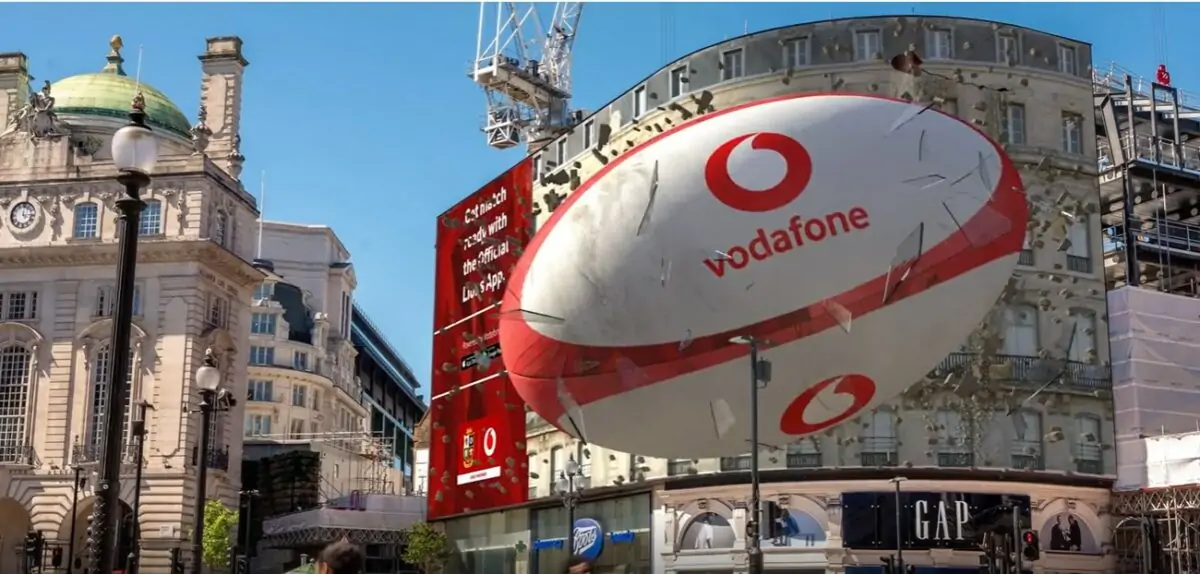
So, you’ve probably seen those crazy 3D digital billboards where it looks like a car is jumping out of the screen or a giant animal is about to walk into the street, right? Pretty mind-blowing stuff. But here’s the secret — the billboard isn’t actually 3D in the physical sense. It’s still a flat LED screen. The trick is all in the way the content is designed.
What they do is use a special technique called anamorphic illusion. Basically, the content is created with perspective in mind, so when you’re standing at the “sweet spot” — usually on the street corner or in front of the display — your eyes get tricked into seeing depth. That’s why objects look like they’re popping out of the screen or sinking way back into it.
And the LED screens themselves help a lot too. They’re super bright, high-resolution, and can curve around building corners. This curve adds another layer of depth, making the illusion even more convincing. Pair that with smooth animation and vibrant colors, and boom. Your brain says, “Whoa, that’s real!” even though it’s just pixels on an LED screen.
In short, 3D advertising billboards work by combining smart content design with powerful LED display technology. It’s art meeting tech and that’s why people can’t resist stopping to look (and, of course, snapping a picture for Instagram).
2. 3D Billboard vs. Traditional Billboards: Which is Better?
The billboards have always been a classic way to grab attention, but lately, there’s a new kid on the block that’s stealing the spotlight: 3D billboards. You’ve probably seen videos online of sneakers that look like they’re jumping out of the screen or cars racing straight toward the crowd and they look amazing, right?
But here’s the real question: how do these flashy 3D advertising boards actually stack up against good old traditional billboards? Let’s break it down and see which one really comes out on top.
2.1 Pros and Cons of 3D Ad Billboards
Potential uses of 3D creative
- Use depth illusions for a short product reveal when the intended audience can see the planned viewing zone.
- Adapt perspective, content resolution and playback mapping to the actual screen geometry.
- Test whether viewers understand the product and message rather than assuming the visual effect improves recall.
- Measure on-site response and any online sharing separately; neither is guaranteed.
Constraints to budget and test
- Price creative production and revisions separately from screen hardware or media rental.
- Test the approved viewing zone, obstructions and audience dwell time. The illusion can weaken away from the design viewpoint.
- Confirm whether the campaign message remains legible when the depth effect is less visible.
- Plan content refreshes and evaluate results over time rather than relying on novelty.
2.2 Pros and Cons of Traditional LED Billboards
Conventional LED playback
- Supports video, still images and scheduled messages when the chosen player and software provide those functions.
- Can show text and calls to action without requiring a perspective illusion.
- Compare readability at the same site and operating brightness; neither conventional nor 3D content guarantees daylight visibility.
- Include electricity, servicing, software and content updates in the ownership cost comparison.
Operating requirements shared by digital billboards
- Confirm cabinet layout, installation structure, service access and replacement-part availability.
- Estimate electricity using representative operating measurements and the planned brightness schedule.
- Check local requirements for brightness, operating hours and permitted content with the responsible authority.
- Test the smallest text, pixel pitch and sightlines. Perspective-mapped content does not automatically provide a wider viewing zone than conventional content.
2.3 When to Choose a 3D Billboard or a Traditional LED Billboard
Consider 3D creative when:
- The objective benefits from a perspective-based product reveal.
- The site has an accessible viewing zone and sufficient dwell time.
- The budget covers geometry-specific production, testing and revisions.
- The message remains understandable outside the main viewpoint.
Consider conventional LED creative when:
- The priority is a readable message across the actual approach routes.
- The campaign needs frequent updates or multiple short messages.
- The content budget favors reusable layouts rather than site-specific perspective production.
- A full-size content test supports readability at the relevant viewing distances.
Select the format using the site test, content requirements and complete campaign budget. A 3D advertising billboard can suit a perspective-led campaign, while conventional content can suit other communication needs. Neither is universally superior.
3. What is the Value Proposition of A 3D Digital Billboard?
When you see a 3D digital billboard, it’s hard not to stop and stare. These images don’t just lie flat on the screen—they leap out, almost as if they’re alive. That’s the magic of 3D advertising. But beyond the wow factor, what’s the real value here?
It’s about capturing attention in an ad-saturated world, telling stories that stick in people’s minds, and giving brands a way to stand out in the busiest, most competitive spaces. Simply put, a 3D digital billboard isn’t just an ad—it’s an experience. And that’s why it’s so powerful.
3.1 Measure Brand Recall
Set a specific recall or recognition objective and choose a measurement method before launch. Compare results against a suitable baseline; do not infer brand recall from the depth effect alone.
3.2 Measure On-Site and Online Exposure
Record organic and paid online exposure separately from on-site audience measurements. Views, shares and press coverage depend on the creative, distribution and audience; they cannot be promised from a 3D display specification.
3.3 Evaluate Campaign Cost and ROI
Calculate campaign cost using media fees, content production, revisions, installation and relevant operating costs. Define the attributable outcome and comparison baseline before estimating ROI. Sharing or attention alone is not evidence of profit.
3.4 Long-Term Brand Equity
Evaluate longer-term brand effects with consistent research across campaigns. A single visually striking installation does not establish an improvement in brand equity or purchase intent.
The value proposition is a testable combination of site suitability, creative execution and measurable campaign objectives. Keep assumptions separate from observed results.
4. Public Campaign References and Project Checks
4.1 Coca-Cola’s 3D Robotic Billboard (Times Square, New York)
Guinness World Records records Coca-Cola’s Times Square robotic billboard in New York on August 8, 2017, with 1,715 moving and 245 static LED cubes. This example uses physical movement; it differs from a fixed LED surface showing perspective-mapped animation. Source: Guinness World Records, “Largest 3D robotic billboard.”
4.2 Nike Air Max 3D Billboard (Shinjuku, Tokyo)
Kota Iguchi’s “AIRMAXDAY 2022 TOKYO” project record describes a Nike campaign in Shinjuku from March 21–27, 2022. An animated orange shoe box opens to reveal Air Max footwear. The useful planning lesson is the coordination of content, screen geometry and the intended viewpoint. Source: the creator’s project record, published May 21, 2022.
4.3 ‘The Wheel of Time’- Amazon Prime
Ocean Outdoor’s November 16, 2021 account documents Prime Video’s The Wheel of Time campaign on Piccadilly Lights in London. It combined a filmed performance with VFX and 3D animation to create a screen-breakout illusion. Source: Ocean Outdoor, “Prime Video DeepScreen epic sets the Wheel of Time alight.”
4.4 Check the Production Method
Distinguish perspective-mapped video from moving LED structures and printed optical effects. A reference clip alone does not identify the required cabinet, geometry, playback system or production method. Ask the supplier to show how the proposed equipment and creative will reproduce the intended effect at your site.
4.5 Verify Project Attribution
The public campaigns above are design references, not EagerLED customer installations or evidence that EagerLED supplied their hardware. For a proposed project, verify the advertiser, location, date, production team and hardware supplier separately. A logo visible in a reference image does not establish supplier attribution or permission to reuse the creative.
5. Key Factors to Consider Before Buying 3D Advertising Boards
Investing in a 3D advertising board is a powerful way to break through the clutter and create a memorable brand experience, but it requires careful planning beyond traditional billboards.
Key Factors to Consider:
1. Campaign Objectives & Audience: Define your goal (brand awareness, product launch, event promotion) and understand the demographic of the people who will see it. A board in a bustling Times Square pedestrian zone will differ greatly from one on a high-speed highway.
2. Location & Visibility: This is paramount. Analyze foot and vehicle traffic, sightlines, viewing angles, and potential obstructions. The 3D effect has a “sweet spot,” so ensure the location allows for optimal viewing from a distance and for a sufficient duration.
3. Content Design & The 3D Illusion: The creative is everything. The concept must be designed for 3D from the ground up. Work with experienced designers who understand depth, perspective, and how to create a compelling optical illusion that works from various angles.
4. Technology & Production Method: Choose the right medium for your budget and effect:
- Anamorphic LED content: Check screen geometry, mapped resolution, viewing zone and playback compatibility. Quote hardware, creative production and media placement separately.
- Printed lenticular signs and mechanically moving structures are different formats. Their costs and design requirements are outside this LED display quotation scope.
5. Physical 3D Structures/Extensions: Actual 3D elements are built protruding from the board. Creates a dramatic, tangible effect but can be subject to weather and structural constraints.
6. Regulations & Permits: Always check with local municipal authorities and property owners regarding zoning laws, sign permits, size restrictions, and duration of the allowed installation. This can be a complex and time-consuming process.
7. Budget & ROI Measurement: Costs include design, production, installation, media space rental, and permits. Define how you will measure success—through increased social media mentions, website traffic from a QR code, or traditional sales lift studies—to justify the investment.
8. Durability & Maintenance: For physical extensions and outdoor digital screens, consider weather resistance, structural integrity, and who is responsible for maintenance and repairs if something malfunctions or is damaged.
9. Vendor Selection: Partner with a proven specialist. Review their portfolio of past 3D projects, check references, and ensure they have the technical expertise and project management skills to execute your vision safely and effectively.
Use the project requirements to compare suppliers on the same scope. Document exclusions, responsibilities and acceptance tests before committing a budget.
6. How Much Does 3D Advertising Billboard Cost?
There is no verified universal price for a 3D advertising billboard on this page. Obtain a dated, configuration-specific quotation and distinguish buying a display from renting advertising time on an existing display.
6.1 Factors Affecting 3D LED Screen Pricing
- Hardware: Quote screen dimensions, pixel pitch, cabinet geometry, protection, control equipment and spare parts.
- Installation: List structure, electrical work, lifting, access equipment and commissioning as included items or exclusions.
- Creative: Specify animation duration, resolution, geometry mapping, revisions, licensing and acceptance testing.
- Media rental: State location, campaign dates, slot duration, playback frequency and scheduling. These fees are distinct from hardware price.
- Operation: Include electricity assumptions, software subscriptions, maintenance and support responsibilities.
- Commercial terms: Record currency, taxes, freight, payment terms and quotation validity.
6.2 Compare a Configuration-Specific Quote
| Cost category | Ask the supplier to state |
|---|---|
| LED hardware | Area, pitch, cabinet geometry, control equipment and spares |
| Creative production | Animation duration, mapping, revisions, license and test approval |
| Installation | Structure, electrical work, lifting, commissioning and exclusions |
| Media rental | Location, dates, slot length, frequency and operating schedule |
| Operation and service | Power assumptions, software, access, maintenance and support |
| Commercial terms | Currency, taxes, freight, validity and payment schedule |
Use this checklist to request dated offers with matching inclusions. Confirm the selected configuration and all exclusions before comparing totals.
Send the screen layout, site photos, intended viewing zone and campaign requirements for a project-specific quotation. Compare equivalent inclusions rather than an unexplained price per square meter.
7. FAQs
7. Conclusion
The suitable format depends on the actual site and communication objective. Compare conventional LED playback and 3D creative using equivalent campaign durations, media coverage and production scope.
Before ordering, approve the viewing-zone test, readable content, quotation scope and measurement plan. Send your site and content requirements so the proposed screen and creative workflow can be reviewed together. Campaign performance remains an outcome to measure, not a supplier guarantee.