

NovaStar TU40 Pro Specifications: Everything You Need to Know
2026-02-26T03:52:39+00:00February 26, 2026|Tags: FAQs NovaStar|
Colorlight X8m Ultra-4K LED Video Processor Review: Performance, Features & Advantages
2026-02-02T03:18:55+00:00February 13, 2026|Tags: FAQs Colorlight|
HUIDU HD-VP620 LED Display All-In-One Video Processor
2026-02-02T03:02:40+00:00February 2, 2026|Tags: FAQs HuiDu|
- 1.What Is Screen Aspect Ratio?
- 2.How to Measure Screen Aspect Ratio
- 3.Comparing 4:3 and 16:9 – Which One Fits Your Needs?
- 4.Why Aspect Ratio Matters for LED Screens
- 5.Screen Resolution vs Screen Aspect Ratio
- 6.Types of Aspect Ratio
- 7.Choosing the Right Screen Aspect Ratio for Your Setup
- 8.Mistakes to Avoid When Working With Screen Aspect Ratios
- 9.FAQs: Screen Aspect Ratio Questions, Answered
- 10.Conclusion
- Get Quote Free
Every screen has a shape, and that shape affects everything from how your content looks to how people react to it. This shape is called the screen aspect ratio, and for LED screens, it’s a big deal.
In simple terms, screen aspect ratio is the relationship between a display’s width and height. A square screen might have a 1:1 ratio. A wide screen? Probably 16:9. These numbers aren’t just technical labels, they influence how your message appears, how much content fits, and whether your design looks clean or completely off.
So whether you’re planning a digital billboard, a trade show booth, or an LED video wall for an event, understanding aspect ratio helps you avoid awkward black bars, stretched images, and wasted screen space. And more importantly, it helps you match your screen to your message, perfectly.
This guide will walk you through what aspect ratio really means, how it affects LED screens, and how to choose the best one for your setup, indoor or outdoor.
Table of Content
- 1.What Is Screen Aspect Ratio?
- 2.How to Measure Screen Aspect Ratio
- 3.Comparing 4:3 and 16:9 – Which One Fits Your Needs?
- 4.Why Aspect Ratio Matters for LED Screens
- 5.Screen Resolution vs Screen Aspect Ratio
- 6.Types of Aspect Ratio
- 7.Choosing the Right Screen Aspect Ratio for Your Setup
- 8.Mistakes to Avoid When Working With Screen Aspect Ratios
- 9.FAQs: Screen Aspect Ratio Questions, Answered
- 10.Conclusion
- Get Quote Free
1.What Is Screen Aspect Ratio?
In plain English, screen aspect ratio is just the relationship between a display’s width and height. It’s expressed as two numbers separated by a colon, like 16:9 or 4:3, and it tells you the basic shape of your screen.
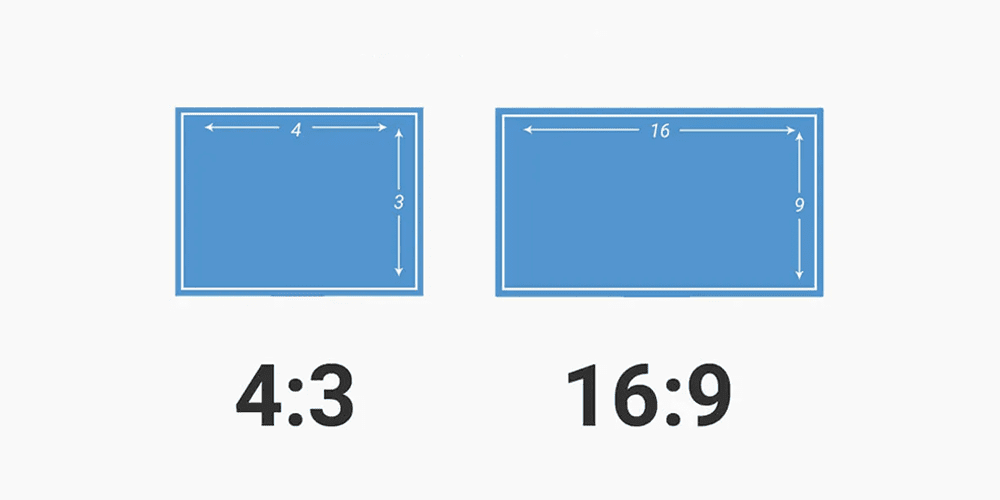
Let’s say you’re looking at a 1920×1080 screen. Divide the width by the height (1920 ÷ 1080), and you get roughly 1.78. That means it’s a 16:9 screen. Do the same with 1024×768 and you’ll land at 4:3.
These numbers don’t describe physical size. A tiny phone screen and a massive LED video wall can both have a 16:9 aspect ratio, they’ll just scale differently.
Why care? Because if your content was made for one aspect ratio and your screen has another, things start to look… off. Logos get stretched. Videos crop awkwardly. And for custom LED screens, where every panel can be part of a bigger layout, matching the right aspect ratio is absolutely essential.
2.How to Measure Screen Aspect Ratio
When working with LED screens, especially modular ones, it’s not just about screen size—it’s about panel configuration. Most LED walls are built using tiles or cabinets. So the final aspect ratio depends on how many modules you stack horizontally versus vertically.
For example, if each LED panel is 500×500 mm and you arrange them 6 across and 3 down, the full screen is 3000 mm wide and 1500 mm tall. Divide 3000 by 1500 and you get a 2:1 aspect ratio, that’s wider than 16:9 and great for panoramic setups like trade shows or stage backdrops.
Always calculate based on the total screen size, not just a single panel, especially when designing custom LED walls.
3.Comparing 4:3 and 16:9 – Which One Fits Your Needs?
Here’s where the debate starts.
Both 4:3 and 16:9 have their fans, but they serve different purposes. Let’s unpack what makes each one useful, and when it might backfire.
3.1 4:3 – Old School, But Not Obsolete
This more square-like format was the standard for decades, think CRT monitors, early digital projectors, and those classroom TVs from the nineteen nineties. It’s compact, clean, and still works great in tight spaces or when you’re just sharing slides or static images.
In fact, some smaller LED screens or kiosks still use 4:3 simply because it fits the available content or the environment better.
3.2 16:9 – The Widescreen King
This is the aspect ratio you see almost everywhere today. Modern cameras, laptops, TVs, streaming platforms, all designed for 16:9. It gives you that cinematic horizontal view, perfect for videos, animations, and anything that needs space to breathe.
When it comes to LED screen aspect ratio, 16:9 is usually the go-to. It’s easier to work with, easier to source content for, and frankly, just looks more current.
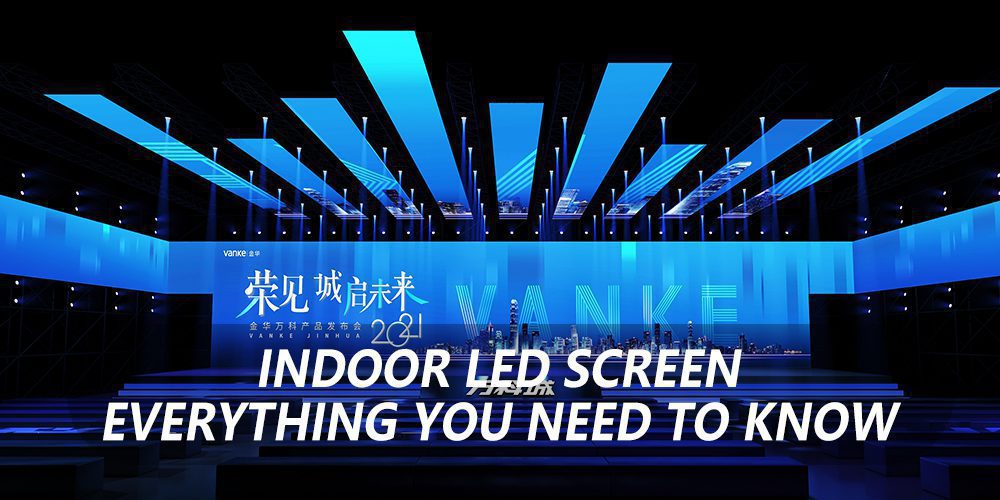
3.3 Choosing the Best Aspect Ratio for Indoor LED Screens
Indoor LED screens are usually seen in places like conference halls, retail stores, airports, and offices. The environment is controlled, and viewers are typically closer to the screen, so clarity, proportion, and layout matter more than weather resistance or viewing from a distance.
For most indoor displays, 16:9 is the go-to screen aspect ratio. It’s the standard format for laptops, presentations, and video content, which makes it easy to design for. Whether you’re running product demos, slideshows, or promotional videos, a 16:9 LED screen ensures your visuals fit without awkward cropping or stretching.
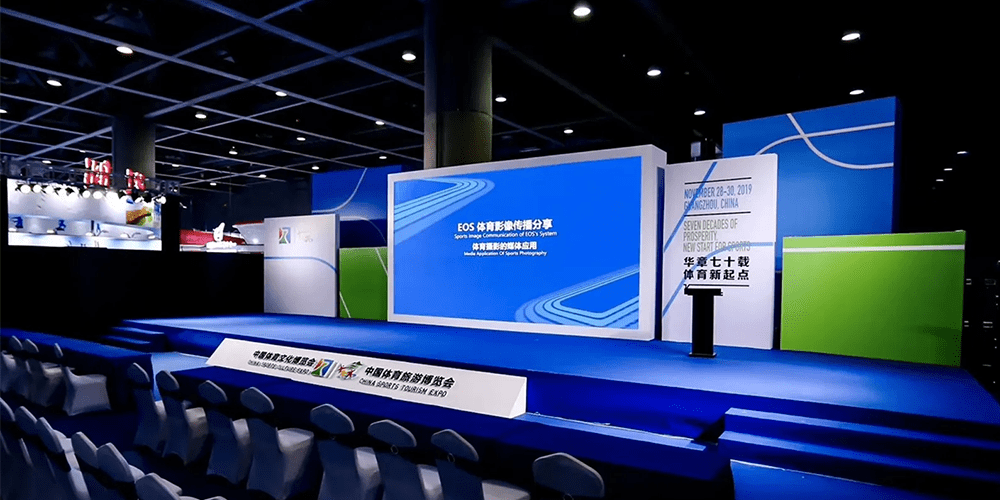
But there are exceptions. If your space is tight or your screen is mounted vertically, a 4:3 LED screen aspect ratio or even 9:16 vertical setup may work better. Museums, elevators, and lobby directories often use non-traditional formats to fit the physical space.
The key? Choose the screen shape based on how people will view it, not just based on what’s most common.
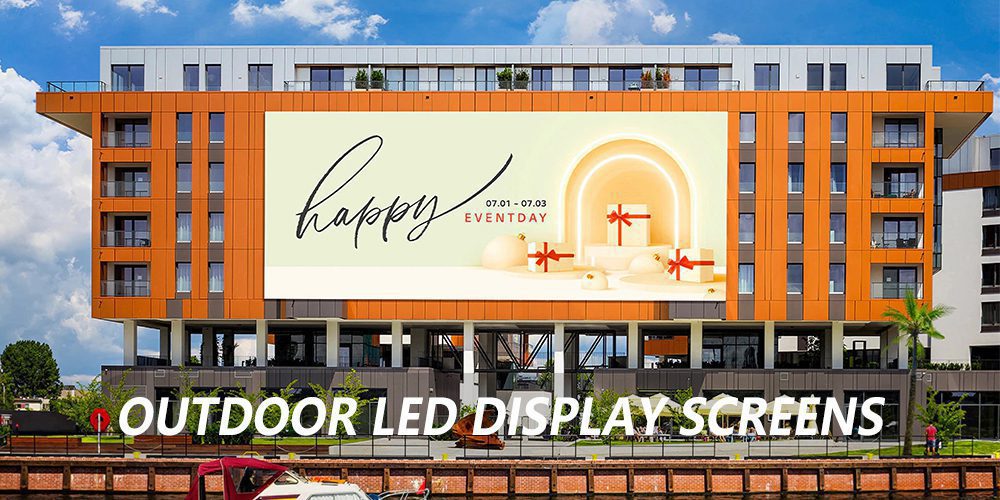
3.4 Selecting the Ideal Aspect Ratio for Outdoor LED Screens
Outdoor LED screens face a different set of challenges, distance, weather, bright sunlight, and rapidly changing audiences. Think billboards, building wraps, stage backdrops, and roadside signage.
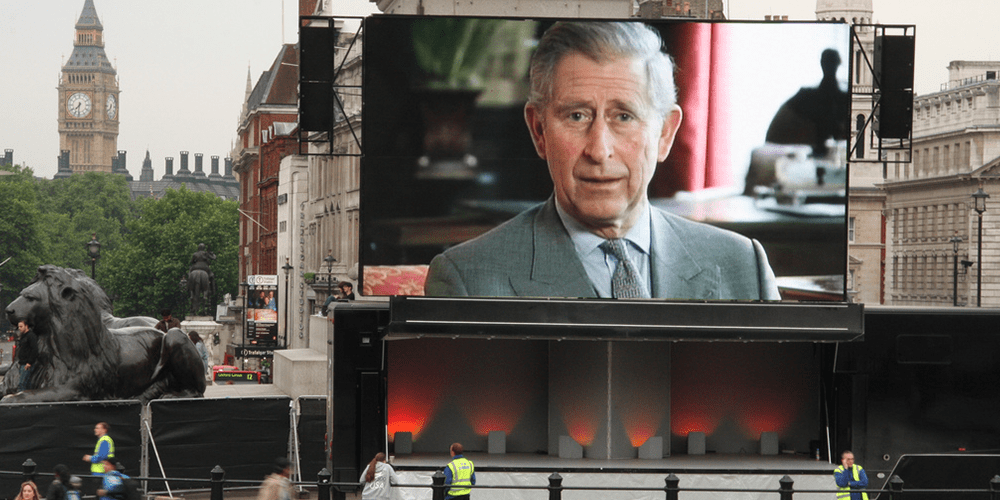
Here, wider aspect ratios like 16:9 or even 32:9 perform well. They give your message room to breathe, especially for motion graphics, full-screen video, or split-screen advertising. And because most cameras, drones, and content creators work in 16:9, sticking with that ratio ensures clean compatibility with modern footage.
Still, if your outdoor screen is mounted vertically (like a digital bus stop), a 9:16 LED screen aspect ratio may be the smarter choice. It mimics the look of a phone screen, which feels familiar and grabs attention in urban spaces.
Bottom line? For outdoor LED displays, your screen aspect ratio should support maximum readability, visual impact, and fast content recognition, even from 30 feet away in daylight.
4.Why Aspect Ratio Matters for LED Screens
Now let’s talk real-world implications. If you’re working with LED displays, aspect ratio goes from “nice-to-know” to “absolutely critical.”
Unlike traditional screens, LED screens are often built using modular panels. That means you can create nearly any shape or size. But the second you mismatch your screen’s ratio with your content’s format? You’re asking for trouble.
What kind of trouble?
- Black barsat the top, bottom, or sides
- Stretched graphicsthat distort your branding
- Cropped videosthat cut off key visuals or text
The result? Your setup looks rushed. Unpolished. Cheap, even if the hardware cost you thousands.
Matching your LED screen aspect ratio to your content ensures everything displays correctly, edge-to-edge. It makes your visuals pop instead of flop, whether you’re at a trade show, launching a product, or running an outdoor billboard campaign.
It’s not just about “fitting the screen.” It’s about showing you thought this through.
5.Screen Resolution vs Screen Aspect Ratio
LED screens don’t come in standard resolutions. Instead, their total resolution depends on the number of pixels per panel and the panel layout. A 960×540 LED panel arranged 4×2 gives you a total resolution of 3840×1080, which is ultra-wide (32:9).
If you play a 1920×1080 (16:9) video on that screen, it’ll either stretch, crop, or show black bars, none of which look professional. That’s why matching your content’s resolution and aspect ratio to the LED screen layout is key.
Mismatched inputs lead to:
- Letterboxing (black bars)
- Cropping (content cut off)
- Distortion (stretched or squished visuals)
Always test playback before going live, and if needed, export your media in a custom resolution that fits the actual screen setup.
6.Types of Aspect Ratio
When people talk about aspect ratio in professional video and screen design, they might throw around three terms:
●DAR = Display Aspect Ratio
●PAR = Pixel Aspect Ratio
●SAR = Storage Aspect Ratio
They sound similar, but they each refer to a different part of how your
6.1 Display Aspect Ratio (DAR)
This is the one you probably care about the most. It’s what people actually see on the screen. So when someone says “that video is 16:9,” they’re talking about DAR.
6.2 Pixel Aspect Ratio (PAR)
Not all pixels are square. (Yeah, weird, right?) Some older formats or camera outputs have rectangular pixels. PAR accounts for this. It explains how stretched or compressed a pixel is, which in turn affects how the final image looks when displayed.
6.3 Storage Aspect Ratio (SAR)
This is what your file actually stores, the pixel count. So a 720×480 video has a SAR of 720:480. But if those pixels aren’t square, it might not display as 3:2. That’s why SAR and DAR don’t always match.
7.Choosing the Right Screen Aspect Ratio for Your Setup
Picking the perfect screen aspect ratio isn’t just about following trends. It’s about knowing what you’re working with, your space, your content, and your display.
Here’s a quick reality check: Not every screen is used the same way. What works for a conference hall might flop at a retail kiosk. What looks amazing on a 16:9 LED screen might look off-balance on a vertical display. That’s why one size doesn’t fit all.
Ask yourself:
- What kind of content will I display?
If it’s mostly video or presentations, 16:9 is usually the safest bet.
If it’s text, infographics, or slideshows, 4:3 might actually be more effective.
- What’s the viewing distance and angle?
In tight spaces with close-up viewing, a more compact LED screen aspect ratio like 4:3 or even 1:1 can keep content focused and easy to follow.
For large venues or wide-stage setups, 16:9 or ultra-wide ratios are more immersive.
- What devices will feed into the display?
Most laptops and media players output in 16:9. If your screen doesn’t match, you’re either cropping or padding your content.
Pro tip: Always design around your LED screen, not the other way around. Know its dimensions, resolution, and shape before you even open your design software. That simple step avoids hours of resizing later.
8.Mistakes to Avoid When Working With Screen Aspect Ratios
You’d be surprised how many expensive setups get ruined by rookie mistakes. Here are a few big ones to steer clear of:
8.1 Stretching Content to “Fill the Screen”
This is the visual equivalent of yelling into a microphone. Your image might fit the space, but now your logo’s oval, your video looks like a funhouse mirror, and nobody takes your content seriously.
8.2 Assuming All Screens Are 16:9
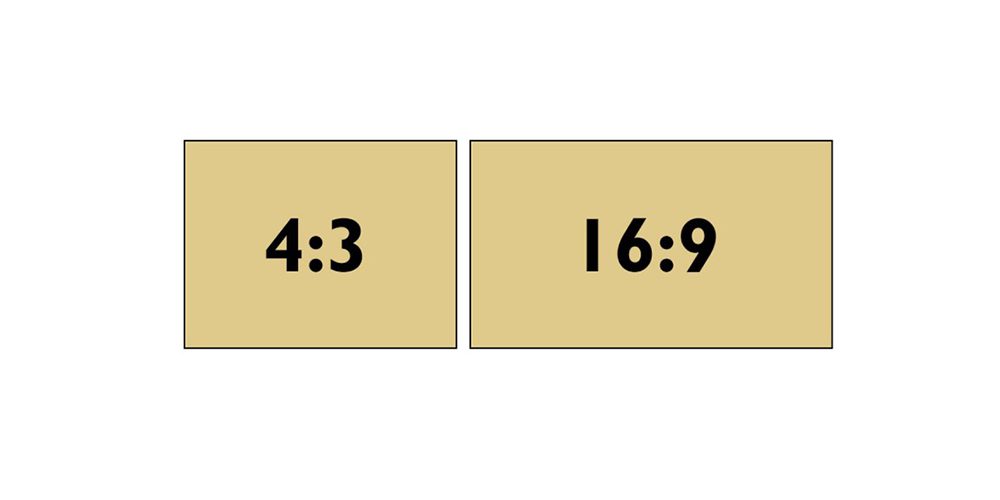
Sure, it’s the most common ratio today, but not the only one. Older projectors, tablets, and lots of budget LED screens still run 4:3. Some vertical displays use 9:16. Know your hardware before hitting “play.”
8.3 Ignoring Pixel Aspect Ratio (PAR)
We covered this earlier, if your pixels aren’t square, things might look fine on a computer but totally warped on the big screen. Check PAR settings when exporting video, especially for LED walls.
8.4 Designing for the Wrong Viewing Context
A ratio that looks great on YouTube might flop on a trade show floor. Always preview your content on the target display. Better yet, test it in the real environment.
Bottom line? Get the screen aspect ratio right from the start. It saves you from last-minute design panics and prevents that dreaded “we’ll fix it in post” moment during a live show.
8.5 Modern Use Cases for Custom Aspect Ratios
While 4:3 and 16:9 dominate the conversation, there’s a whole world of creative layouts emerging, especially in advertising and event tech.
(1)1:1 – The Square Revival
Perfect for Instagram-ready content or mall displays. These square LED screens create a strong central focus, often used for promos or logos.
(2)9:16 – Vertical Video Goes Big
This mobile-native ratio is no longer confined to phones. It’s showing up on digital billboards, interactive kiosks, and social-first ad campaigns. If your brand lives online, this layout can bridge that digital-to-physical gap.
(3)32:9 – The Ultra-Wide Showstopper
Want something dramatic? This cinematic, ultra-stretched screen aspect ratio is used in control rooms, immersive exhibits, or stage backdrops. It demands attention, and it gets it.
In a world where attention spans are short and competition for eyeballs is fierce, using a custom ratio is one way to stand out, but only if it fits your content.
9.FAQs: Screen Aspect Ratio Questions, Answered
Q: What is the best screen aspect ratio for an LED screen?
It depends on your content and setup. 16:9 is the most popular LED screen aspect ratio because it’s standard across most media, from HD video to slide presentations. If you’re designing for wide audiences, cinematic experiences, or live events, 16:9 delivers. But if your content is text-heavy or you’re limited on space, 4:3 might suit you better. For ultra-unique installations, custom ratios like 1:1 or 32:9 are also gaining traction.
Q: How do I measure screen aspect ratio?
Easy. Take the screen’s width and divide it by its height using the same unit (pixels, inches, meters). Then simplify the ratio. For instance, a 1920×1080 screen is 16:9. A 1024×768 screen is 4:3. Just make sure you’re measuring the full screen dimensions, not just a single tile if you’re working with modular LED screens.
Q: Can I play 16:9 content on a 4:3 screen?
Yes, but expect compromises. You’ll get black bars on the top and bottom (letterboxing), or worse, your content might get cropped or squished. If you can, always create content in the same screen aspect ratio as your display.
Q: What’s the difference between DAR, PAR, and SAR again?
Quick recap:
- DAR (Display Aspect Ratio): What you see
- PAR (Pixel Aspect Ratio): Shape of each pixel
- SAR (Storage Aspect Ratio): Raw resolution
They all matter if you’re working with video on large or custom-shaped LED screens, where distortion can ruin the visual experience.
Q: Why is screen aspect ratio so important for LED walls?
Because everything, resolution, pixel pitch, content design, has to fit the LED screen aspect ratio to avoid stretching, cropping, or wasted space. It’s not just technical; it’s a visual and branding issue too.
10.Conclusion
Choosing a screen aspect ratio isn’t just a technical checkbox, it’s one of the most practical decisions you’ll make when setting up an LED display.
Whether you’re running a presentation indoors or launching a new campaign on a massive outdoor LED wall, the shape of your screen affects how your content fits, how clean it looks, and how people respond to it. A 16:9 LED screen aspect ratio gives you the modern, widescreen look most audiences are used to. A 4:3 ratio can still work in tight or legacy spaces, especially for text or basic visuals.
And if your screen is vertical, square, or ultra-wide? That’s not wrong, it just needs the right kind of content to match. The goal isn’t to follow trends, but to make sure your message actually fits the canvas you’re working with.
The takeaway is simple: choose your screen aspect ratio based on the environment, the content, and the viewer experience. Keep it clean. Keep it intentional. And let your display shape support, not fight, the story you’re trying to tell.
Because when your screen fits your message, people notice.
 Outdoor LED Display Screen: Benefits, Use Cases, and Market Outlook
 Indoor LED Screen: Everything You Need to Know