
2026-10-27T13:29:34+00:00October 27, 2026|
2026-10-27T13:23:03+00:00October 27, 2026|
2026-10-27T13:12:56+00:00October 27, 2026|
An LED screen spare parts quote should list each spare separately from the installed display, with its exact part identity, quantity, price basis, and delivery terms. A statement such as “spares included” does not show whether the package contains a replacement LED module, receiving card, power supply, or only a few loose accessories. It also does not show whether a failed part can be replaced without a visible mismatch.
For a contractor comparing fixed-installation bids, the useful question is which parts must be on site when the screen opens and which can be obtained within the project’s acceptable repair window. Treat the spare kit as a defined purchase and service plan. Do not infer that every part is covered by a warranty or that a supplier can provide an identical replacement years later.
An LED screen spare parts quote needs an itemized schedule
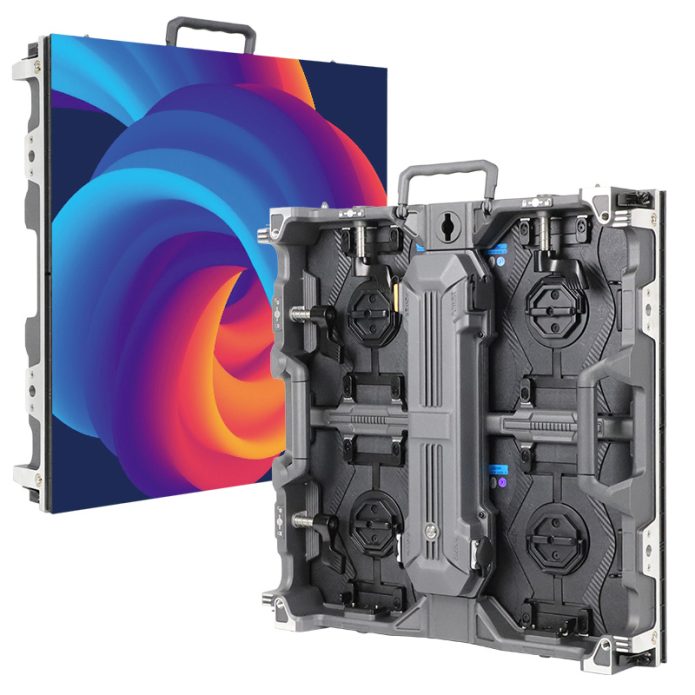
Start with the display bill of materials: cabinet model and revision, pixel pitch, module size, receiving-card model, power-supply model, connectors, and any proprietary harnesses. The spare line should identify the component it replaces, not just say “matching.” A drawing or cabinet map helps connect a spare to its installed position. If the screen uses several cabinet types or orientations, identify which parts are shared and which are unique.
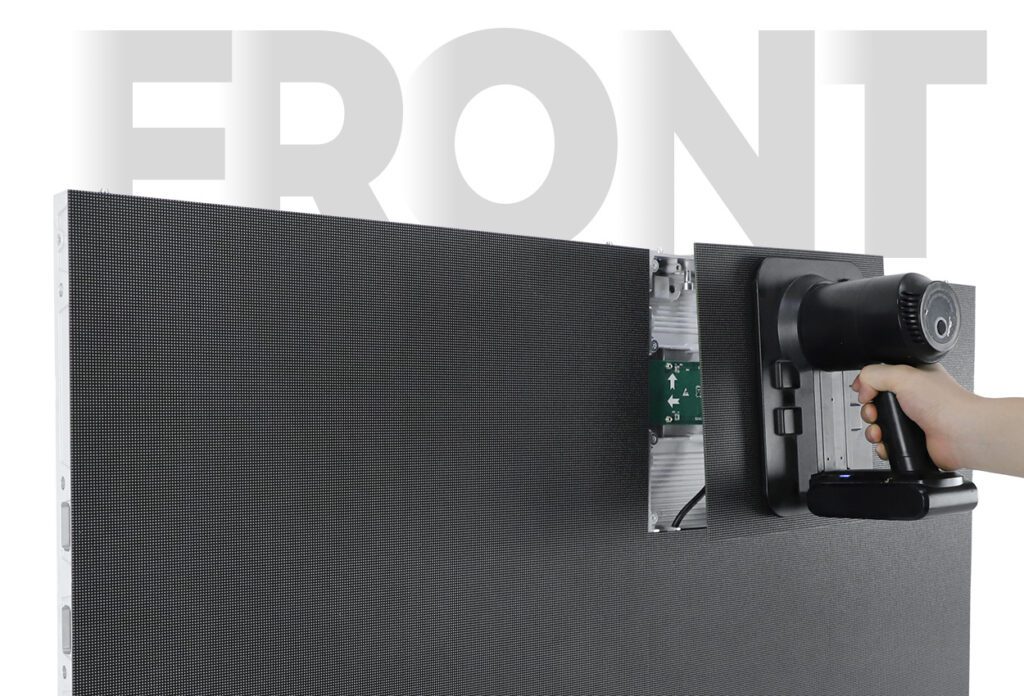
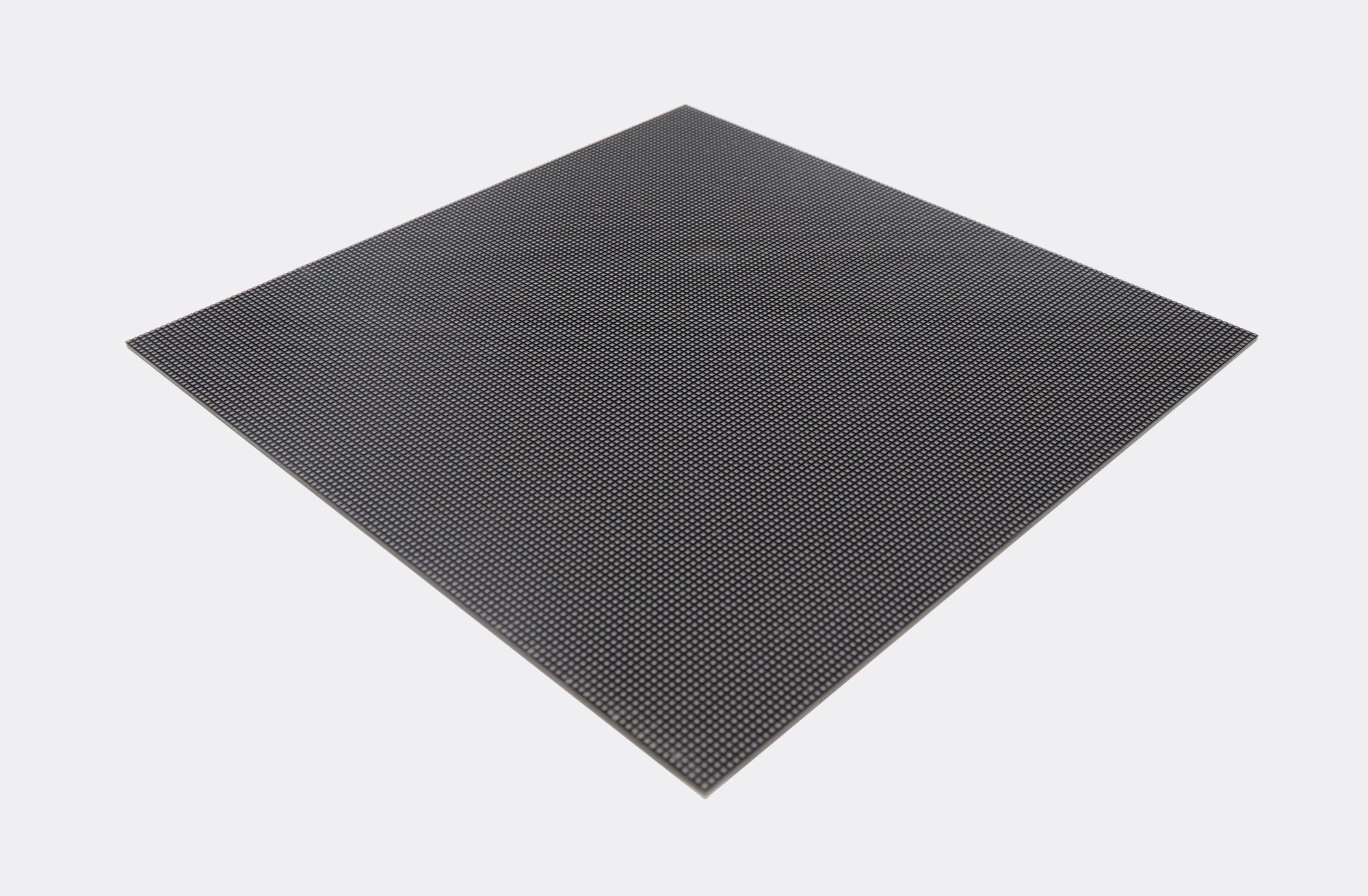
The common categories are LED modules, receiving electronics, power supplies, data and power cables, and any unusual corner or edge components. Which categories belong in the package depends on the actual cabinet design. For example, a cabinet with integrated service assemblies may require a different replacement unit from a cabinet built around individually removable modules. Ask the supplier to mark items that can be exchanged on site and items requiring workshop repair.
Do not count unused installed cabinets as loose spares unless the contract explicitly says they will be delivered and stored for that purpose. Likewise, extra modules included for manufacturing yield or installation adjustments may not remain with the owner after handover. State who owns the kit, where it will be stored, and whether quantities are counted before or after installation.
Choose quantities from repair time and component exposure
There is no universal percentage of spare modules that makes every project safe. A remote site with limited shipping options may need more local stock than an accessible site near a service center. A screen that must remain operational during every event has a different acceptable repair window from a lobby display that can be scheduled for service. The contractor should turn those operating conditions into a proposed stock level and ask the supplier to explain it.
For each part, record installed quantity, expected replacement unit, proposed spare quantity, source, replenishment time, and storage requirements. Distinguish a spare already on site from a promise to ship one later. For a multi-year installation, ask how the owner will identify a compatible replacement after a production revision. The site’s quote-area explanation helps keep loose spares out of the installed active-area calculation.
A simple scenario illustrates the decision without claiming a recommended ratio: if a project has many identical modules and the supplier can deliver another within one day, the owner may choose a smaller local reserve than a remote venue facing a much longer resupply period. The appropriate numbers still require the actual site, cabinet design, operating calendar, and service agreement. Do not copy a generic “5% spares” line from another proposal without those conditions.
Compare the entire LED screen spare parts quote
Two equipment prices can appear comparable while the spare packages differ. Reconcile the same installed screen first, then compare the parts schedule. The table below is a request checklist, not a product price list; no supplier-specific prices are assumed.
| Quote field | Why it changes the decision | Evidence to request |
|---|---|---|
| Exact part and revision | Similar names or dimensions can hide incompatible electronics. | Part number, cabinet version, and approved substitutes. |
| Quantity and location | Stock in a distant warehouse does not shorten an on-site repair in the same way. | Delivered count and agreed storage location. |
| Calibration and setup | A working replacement may still look different or need a configuration file. | Applicable files, restoration method, and acceptance check. |
| Commercial basis | A free warranty shipment and a purchased on-site spare are different commitments. | Line price, freight, tax or duty treatment, and replenishment terms. |
Ask whether an accessory line is included in the display price, charged separately, or excluded. The installation-cost guide covers the wider structure, electrical, labor, freight, and commissioning scope; the LED screen spare parts quote should remain identifiable within that wider project total. Keep the currency, delivery destination, quote validity, and any assumptions on import charges on the same comparison sheet.
A warranty is not the same as an on-site spare
Warranty language concerns eligibility and remedy after a failure. An on-site spare concerns how quickly a specific component can be replaced. Even when a component is covered, the owner may need to diagnose it, obtain authorization, return the failed unit, and wait for a replacement under the written terms. The terms may differ by component and by cause of failure; do not infer coverage from a headline warranty duration.
Ask whether a warranty replacement replenishes the owner’s local spare inventory, whether freight and labor are included, and what happens if the originally supplied revision is unavailable. Establish who performs replacement and who verifies the image after repair. If a service contract provides advance replacement stock, describe the location and response terms instead of counting it as an already purchased kit.
An LED screen spare parts quote can show both purchased stock and warranty support on separate lines. This lets a buyer compare proposals with the same operational target. For example, a bid with a lower initial price but no local module reserve could expose a time-sensitive venue to a longer outage. That is a scenario to analyze, not proof that the more expensive bid always wins.
Check identity, image match, and replenishment at handover
Before accepting the kit, request a packing list and compare it with the approved schedule. Record labels or serial references where the supplier provides them. Confirm that stored parts are protected from moisture, impact, static discharge, and mix-ups in line with the manufacturer’s handling instructions. The owner should know which cabinet type each part serves and who may install it.
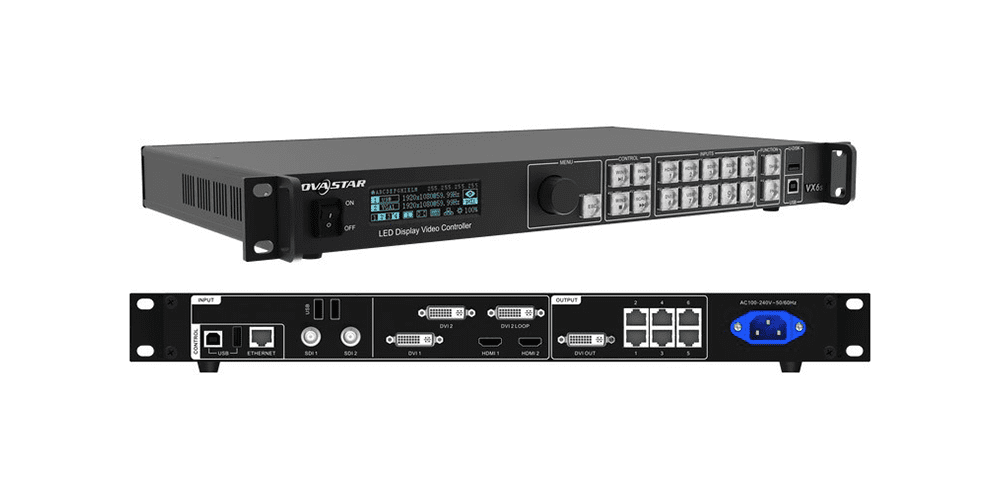
Request the relevant cabinet map, approved component list, configuration backup, and calibration-restoration instructions for the actual equipment. A spare module of the same nominal pitch may not blend visually after replacement without the correct configuration and calibration data. The supplier and qualified service team should demonstrate the accepted method on the supplied system; this article does not prescribe a universal repair procedure.
Finish the LED screen spare parts quote review by agreeing how depleted stock is reordered and what information must accompany a future order. The record should identify version, quantity, delivery country, and any approved substitute. This is especially important if the installation will be maintained by a different team after the original contractor leaves.
Frequently asked questions
Should the quotation include a complete spare cabinet?
Only when the service target, physical design, storage space, and budget justify it. A complete cabinet may speed a swap in some designs but can be costly or impractical to store. Compare that option with a defined set of serviceable components for the actual cabinet.
Can parts from a later production batch be used?
Possibly, but compatibility and visible image match must be confirmed for the specific revision and calibration process. Ask for the supplier’s approved substitute list and a restoration plan rather than treating a matching pixel pitch as sufficient.
Who should pay to replenish a used spare?
That depends on the written warranty, failure cause, and service contract. The purchase proposal should say whether replenishment is included, separately billable, or subject to a warranty claim, with shipping and labor treated explicitly.
Request a usable parts schedule with the bid
Share the installation country, screen dimensions, indoor or outdoor environment, cabinet models, viewing distance, daily operating schedule, and acceptable repair window. Ask for an itemized LED screen spare parts quote that identifies installed quantities, on-site stock, part revisions, replenishment terms, and exclusions. Send the project details to EagerLED so the spare kit can be reviewed alongside the actual display and service scope.