
2026-10-16T02:30:23+00:00October 16, 2026|
2026-10-16T02:28:57+00:00October 16, 2026|
2026-10-09T02:41:38+00:00October 9, 2026|Tags: 3D Billboard, LED Display Knowledge, Naked-Eye 3D|
An outdoor LED display can show advertising, live video or public information, but choosing a screen starts with the location rather than the headline brightness.
Direct sun, night-time light limits, wind exposure, rain, service access and power availability all affect the specification. An outdoor rating does not guarantee that a cabinet is suitable for every climate or mounting position.
This guide compares outdoor applications, explains the key specifications and provides a practical installation, commissioning and maintenance checklist. For permanent commercial signage, start with our advertising LED board range.
Table of Contents
1.What Is an Outdoor LED Display Screen?
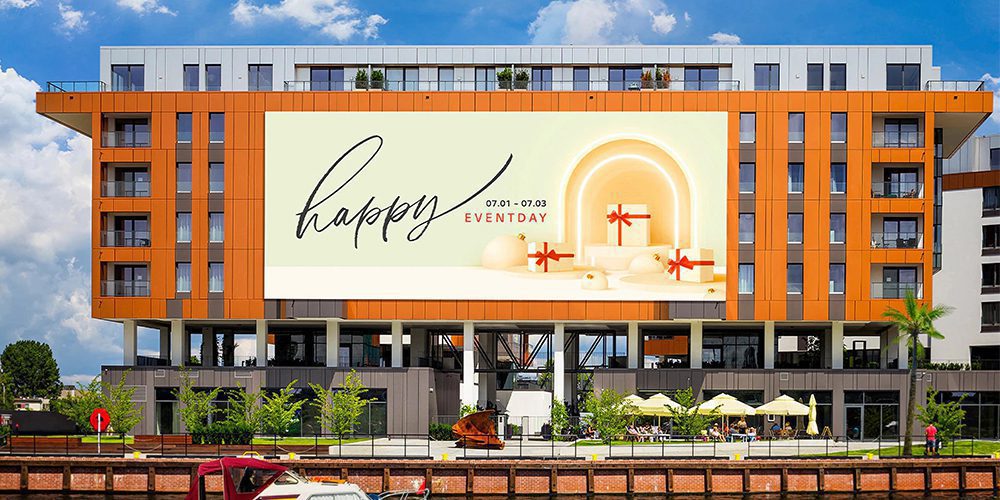
An outdoor LED display screen is a modular digital display designed for specified outdoor operating conditions. RGB light-emitting elements form pixels; cabinets provide mechanical support, power distribution and environmental protection.
Check the exact model and installation manual. Brightness, front and rear ingress protection, temperature range, corrosion resistance and mounting requirements are separate specifications.
- Brightness: select for the sun exposure and content, with a dimming plan for evening operation and local limits.
- Ingress protection: confirm the tested front and rear IP ratings and required cable sealing. IP65 indicates dust-tightness and protection against water jets under test conditions, not immersion, wind resistance or corrosion protection.
- Cabinet layout: dimensions must follow the module and cabinet grid. Curved or corner layouts need compatible hardware and engineering approval.
- Pixel pitch: match viewing distance and the smallest important text, then verify the native pixel matrix.
- Service access: leave the clearances required for ventilation, safe component replacement and maintenance.
Screen dimensions and brightness alone do not predict campaign results. Evaluate whether the permitted location, viewing angle and message duration let the intended audience read the content safely.
2. How Outdoor LED Screens Work
The content player or video source sends a signal through a controller to receiving cards in the cabinets. Driver electronics control the red, green and blue light output for each pixel. The display configuration maps the video canvas to the physical cabinet layout.
Cabinets connect into a planned array; they are not interchangeable building blocks for any unsupported shape. The frame, attachment points and allowable assembly must follow the manufacturer documentation and the project engineer design.
- Pixel pitch: at a fixed screen size, smaller pitch provides more pixels. A wider pitch can be adequate for distant viewing but does not inherently improve clarity. Compare options with the LED pixel pitch calculator and test the actual content.
- Brightness control: automatic dimming needs the appropriate sensor and configuration; confirm whether these are included.
- Refresh rate and video latency: check the complete source-controller-display chain, especially for cameras or live events. Refresh rate is not the same as video frame rate.
- Thermal management: ventilation and operating limits depend on cabinet design, solar heating and installation clearances.
Wall-mounted, pole-mounted, freestanding and trailer installations each require their own structural and electrical design. For live events, test the complete signal path and delay before the show; no display specification alone guarantees zero latency.
3. Where Outdoor LED Display Screens Really Shine
Start with the application, then check the requirements below against the proposed product and site. Fixed advertising screens, perimeter sports displays and touring rental cabinets serve different installation needs.
3.1 Retail and Shopping Centers
Exterior signs can carry scheduled promotions and store information. Confirm landlord approval, permitted brightness, readable text at the actual distance and safe mounting above public areas. Opaque cabinets may block windows; a transparent LED screen is a separate option where sightlines matter.
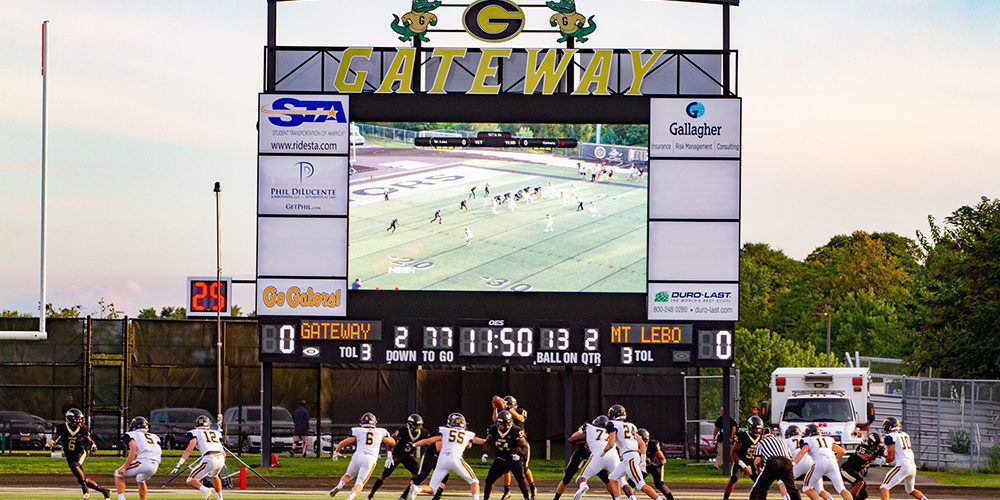
3.2 Stadiums and Sports Arenas
Scoreboards, video walls and perimeter advertising need different layouts and viewing angles. Check content integration, camera compatibility, impact protection where applicable and engineered mounting. Review stadium LED screen options for sports-specific applications.
3.3 Concerts, Tours and Festivals
Temporary screens need compatible rental cabinets, approved rigging and a weather response plan. Confirm allowable wind conditions, ballast or suspension design, cable protection and the stop-use procedure with qualified event contractors. See the rental LED screen range.
3.4 Transportation Sites
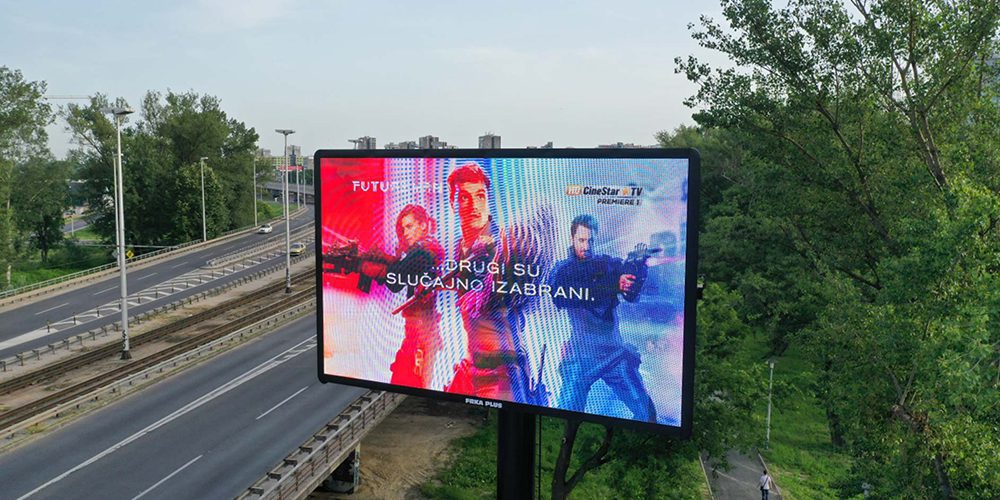
Advertising near transport routes requires the relevant permits and distraction controls. Official traffic signs or safety-critical passenger information may require dedicated standards, approved products and backup communication; a general advertising cabinet is not automatically suitable.
3.5 Public Spaces
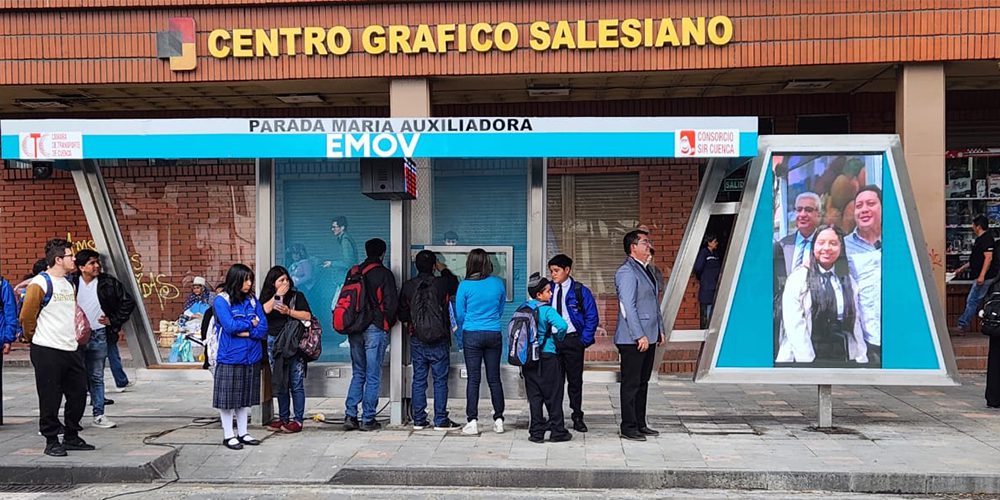
Municipal displays can show community information, event schedules and wayfinding. Establish content approval, network security, accessibility and outage procedures. A public display should not be the sole channel for critical emergency information.
Use the intended application to define acceptance tests before ordering: readable message size, viewing positions, day and night brightness, operating schedule and service access.
4. Specification Checklist Before Ordering
Compare complete systems using the same site requirements. A cabinet-only description can omit important mounting, control and operating requirements.
Ask the supplier to confirm these items in writing:
- Layout: cabinet model, physical width and height, module arrangement and total pixel matrix.
- Viewing: closest and farthest audience positions, viewing angle, text size and sample content.
- Environment: front and rear IP ratings, operating temperature, humidity and any coastal exposure requirements.
- Structure: total assembly weight, mounting method, engineer-approved supports and maintenance access.
- Electrical and control: maximum rated load, supply requirements, controller capacity, network design and brightness controls.
- Handover: drawings, configuration backups, spare parts, warranty scope and responsible service contacts.
Measure Performance Without Assuming a Return
Define a campaign baseline and a measurable objective, such as qualified enquiries or visits attributable to a campaign. Record the display schedule and compare like-for-like periods. A brighter or larger screen does not guarantee extra visitors, sales or a payback period.
Keep permanent and temporary project requirements separate. Rental locks and transport cases do not replace structural approval for a fixed outdoor installation, and fixed cabinets are not automatically suitable for touring rigging.
5.Installation and Maintenance Tips
The following checklist is for project coordination, not a structural or electrical installation manual. Installation and servicing must be performed by qualified personnel using the manufacturer instructions and local requirements. Coordinate responsibilities using the LED installation planning guide.
5.1 Survey, Permissions and Structural Design
- Record site dimensions, photographs, sun direction, public access and the nearest and farthest viewing positions.
- Confirm landlord consent, signage permits, brightness restrictions and any road or heritage requirements before manufacture.
- Have a qualified engineer assess the supporting structure, anchors, wind loads and applicable seismic requirements. Include the complete assembly, not just cabinet weight.
- Agree safe working access, lifting arrangements and a maintenance route that remains usable after installation.
5.2 Mounting and Environmental Protection
- Use the approved frame and attachment arrangement. Do not modify cabinets or drill new load-bearing connections without approval.
- Preserve specified ventilation clearances, cable entry sealing and drainage paths.
- Inspect alignment, fasteners and weather seals against the project documents. Front and rear exposure may need different protection.
- For temporary structures, document wind monitoring, stop-use thresholds and safe shutdown procedures with the event contractor.
5.3 Power, Control and Commissioning
- Have a qualified electrician design protection, isolation, earthing and surge measures for the actual supply and maximum rated load. Average content consumption is not a substitute for circuit sizing.
- Document the signal and network layout, secure remote access and keep a backup of the controller configuration.
- Test the native pixel map, sample text, video, colour uniformity and all cabinets. Resolve missing or incorrectly mapped sections before handover.
- Check daytime and night-time brightness, scheduled playback, recovery after an approved power cycle and the agreed outage procedure.
- Provide as-built drawings, settings backups, operating instructions, spare-part identifiers and service contacts to the owner.
5.4 Maintenance and Fault Records
Set inspection intervals from the manufacturer guidance and the site exposure. Record faults, operating conditions and repair dates so recurring problems can be identified.
- Have trained personnel isolate the equipment before opening cabinets or servicing electrical parts.
- Inspect fixings, seals, connectors, drainage and ventilation for damage or obstruction. Escalate water entry, corrosion or structural concerns promptly.
- Clean only with the approved method. Do not pressure-wash or apply solvents unless the manufacturer explicitly permits it.
- Run test patterns and check dimming operation. Keep compatible spare modules, power supplies and configuration backups.
- Validate firmware compatibility and a rollback plan before updates; avoid untested changes immediately before a critical campaign.
6. Preparing an Outdoor LED Project with EagerLED
Send EagerLED your site photographs, required screen dimensions, viewing distances, operating schedule and installation method. Include any restrictions on brightness, working access or rear maintenance.
- Request the exact model datasheet and installation manual.
- Confirm control hardware, spare parts and any front-service requirements.
- Check product-specific documentation for the destination regulations.
- Agree the scope of supply, local engineering and installation responsibilities, warranty terms and support contacts.
Featured Product: EA960R4 Outdoor LED Display Screen
The EA960R4 is one product to evaluate against the project checklist. Refer to the linked manufacturer page and current datasheet for cabinet dimensions, service method, environmental ratings and available configurations. Confirm temporary-rigging suitability separately instead of assuming that a billboard cabinet is rental-ready.
Ask for a model-specific proposal and approved cabinet layout. Compare it with the site requirements rather than relying on a general product description or a promise of guaranteed campaign results.
7. Outdoor LED Installation FAQs
Does IP65 mean the complete screen is weatherproof in every location?
No. An IP rating describes tested ingress protection. It does not establish wind resistance, corrosion protection or suitability for every temperature. Confirm the rating of both sides and the installed cable entries, then assess other site conditions separately.
Is a finer pixel pitch always the best choice?
No. Finer pitch provides more pixels for a given area, but the useful detail depends on viewing distance and content. Test the smallest message at the real viewing positions and verify the cabinet grid and controller capacity.
Can an indoor LED screen be used outdoors under a canopy?
Do not assume so. Wind-driven rain, condensation, dust and heat can reach sheltered areas. Use a product approved for the actual environment and mounting arrangement.
How often should an outdoor LED screen be serviced?
Follow the model-specific maintenance schedule and adjust it for dust, salt exposure, usage and inspection findings. Inspect after unusual weather where safe and appropriate, and stop operation when a fault presents an electrical or structural risk.
8.Conclusion
A useful outdoor display is readable in its actual setting, compliant with local requirements and serviceable throughout its life. Start with a site survey, then confirm pixel layout, environmental limits, engineered mounting and electrical design.
Commission with real content in daytime and evening conditions. Keep configuration backups and inspection records, and measure communication or campaign outcomes without assuming that installation alone guarantees results.
Explore the advertising LED board range and prepare your site checklist before selecting a model.