

EagerLED Transparent LED Screen
A transparent LED screen displays digital content while leaving part of the background visible. Compare the selected cabinet or film design for transparency, image detail, operating brightness and service access. Choose an indoor or outdoor configuration and an approved fixed or rental mounting method for the actual project.



Categories
Transparent LED Screen – Complete Buyer’s Guide 2026
Transparent LED screens combine high transparency with dynamic digital visuals, making them ideal for glass curtain walls, retail window displays, and modern architectural media façades. Unlike traditional LED video walls, a transparent LED display allows natural light to pass through while still delivering bright advertising content, digital signage messaging, and immersive brand experiences.
As demand grows for glass-integrated LED solutions, transparent LED screens have become a preferred choice for commercial advertising, storefront LED displays, and stage rental LED screens.
- EagerLED Transparent LED Screen
- Transparent LED Screen – Complete Buyer’s Guide 2026
- 1.Overview of Transparent LED Screen
- 2.How Transparent LED Screens Work
- 3.Key Features of Transparent LED Screens
- 4.Applications of Transparent LED Screens
- 5.Advantages of Transparent LED Screens
- 6.Challenges and Considerations
- 7.Transparent LED Screen for Sale
- 8.FAQs
- 9.Conclusion
- Get Quote Free
1.Overview of Transparent LED Screen
A transparent LED screen, also known as a glass LED display or see-through LED screen, is an advanced digital signage solution that merges digital content with architectural transparency. It allows viewers to see both the displayed content and the background environment simultaneously.
Compared to conventional outdoor LED billboards, transparent LED displays offer a lightweight structure and modern aesthetics, making them especially suitable for:
- Retail storefront windows
- Shopping malls
- Airport terminals
- Exhibition halls
- Glass building facades
- Stage background screens
Their ability to integrate seamlessly with glass structures makes them increasingly popular in commercial LED display projects.
2.How Transparent LED Screens Work
2.1 Structure and Components
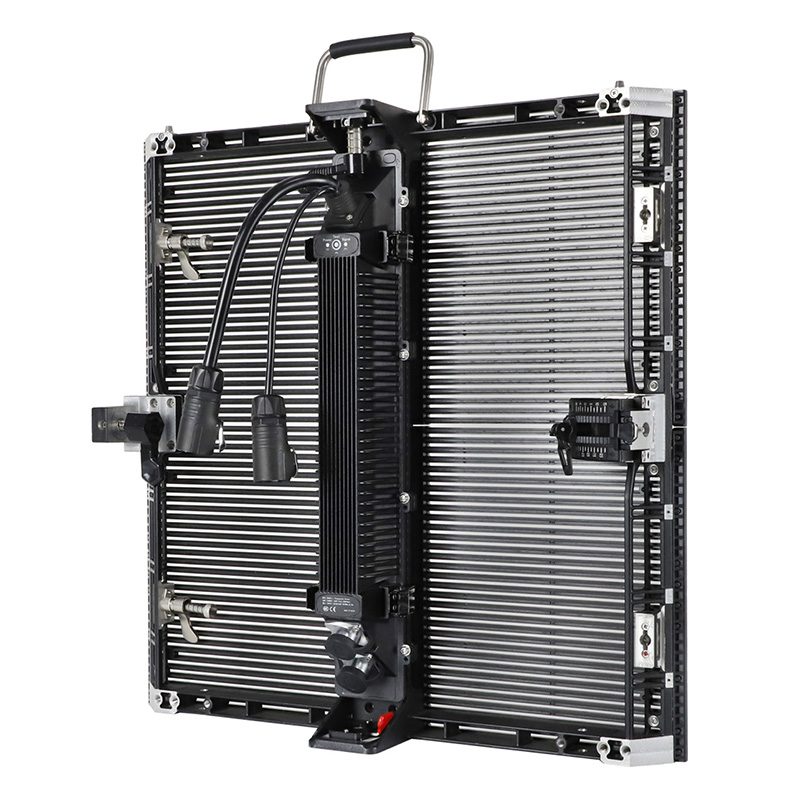
Transparent LED screen structures vary by product. Strip-cabinet designs use gaps between LED strips, while film products have different mounting and service requirements. Confirm the exact structure, support points and cable routes. Open area does not replace a project-specific check of glass interfaces, structural loads and outdoor wind conditions.
2.2 Transparency and Pixel Pitch
Transparency levels typically range from 50% to 90%, depending on pixel pitch and LED strip spacing. Larger pixel pitch models (such as P10 or P15) provide higher transparency, while smaller pixel pitch options (such as P3.9-7.8) deliver better resolution for closer viewing distances.
This balance between resolution and transparency is a key factor when selecting a transparent LED display system.
2.3 Brightness and Viewing Experience
Select brightness for the actual viewing direction, facade orientation, glass tint and surrounding light. A maximum-nit specification alone does not guarantee readability in direct sun. Compare a sample with the intended content at daytime and nighttime operating levels.

With wide viewing angles and high refresh rates, transparent LED screens deliver smooth video playback for advertising videos, live broadcasts, and promotional content.
2.4 Content Management System
Content scheduling, remote updates and cloud publishing depend on the supplied player, controller, software and network connection. Ask which functions are included, whether licenses or subscriptions apply, and how content will play if the network is unavailable.
3.Key Features of Transparent LED Screens
3.1 High Transparency Rate
Compare the quoted transparency value at the same product configuration and viewing conditions. Transparency describes the see-through effect; it does not establish that video is readable from both sides. Inspect background visibility and image appearance from each required viewing direction.
3.2 Lightweight and Slim Cabinet Design
Compared to traditional LED display panels, transparent LED cabinets are thinner and lighter, reducing structural load and simplifying installation.
3.3 High Brightness Performance
Designed for outdoor advertising LED screens, these displays maintain strong visual impact even in high ambient light conditions.
3.4 Flexible Installation Methods
Supports hanging installation, stacking, fixed mounting, and even curved splicing, suitable for creative LED display projects.

3.5 Energy-Saving Technology
Request maximum power and representative operating-power measurements for the quoted configuration. Record brightness, content, operating hours and test conditions. A transparent structure or driver name alone does not establish energy savings against another display.
4.Applications of Transparent LED Screens
4.1 Retail and Storefront Advertising
Transparent LED window displays attract customers while keeping product visibility intact. They are widely used in flagship stores, shopping centers, and luxury retail brands.
4.2 Architectural Media Facades
Glass building facades can be transformed into dynamic digital advertising screens without compromising daylight penetration.
4.3 Transportation Hubs
Airports, railway stations, and metro stations use transparent LED displays for flight schedules, announcements, and advertising without blocking passenger visibility.
4.4 Events and Stage Rental Applications
Rental transparent LED screens are popular for concerts, product launches, and exhibitions due to their lightweight design and fast assembly.

5.Advantages of Transparent LED Screens
Enhanced Aesthetics: Transparent LED screens blend seamlessly into their surroundings, offering a modern and stylish look.
(1)Increased Visibility: They provide clear visibility of both the content and the background, making them perfect for storefronts and windows.
(2)Versatility in Applications: Customizable features make these screens suitable for a wide range of environments.
(3)Improved Engagement: By merging digital content with real-world views, these screens captivate audiences and enhance engagement.
(4)Space Efficiency: Their slim design saves space, making them ideal for areas where traditional screens would be impractical.
(5)Energy Efficiency: Compare operating power at the required brightness and content, together with ventilation and operating hours. Use matched test conditions before making an energy-saving comparison.
(6)Seamless Integration: Transparent LED screens can be integrated into existing structures like glass facades and windows.
6.Challenges and Considerations
Transparent LED selection is a trade-off between visibility through the screen, image detail, daylight performance, structural integration, and service access. Confirm these items against the actual glass facade, storefront, or stage design before choosing a model:
- Transparency and image detail: Compare transparency at the same pixel pitch and cabinet configuration. Use the closest viewing distance and planned content to decide whether fine text and small graphics will remain readable.
- Ambient light and reflections: Provide daytime photos, facade orientation, glass tint, interior lighting, and viewing direction. Select brightness for the real environment rather than relying only on a maximum-nit specification.
- Structure and glass interface: Confirm available fixing points, structural load limits, outdoor wind-load requirements, cable paths, and any local engineering or permit requirements before finalizing the screen dimensions.
- Power, data, and heat: Plan electrical distribution, grounding, signal redundancy, controller location, ventilation, and access to power supplies and receiving cards.
- Maintenance and cleaning: Define front- or rear-service access, clearance from the glass, safe replacement routes, cleaning procedures, and the spare-parts ratio.
- Content and acceptance: Confirm the actual resolution and aspect ratio, input sources, brightness modes, refresh-rate and camera requirements, calibration method, test content, and final acceptance criteria.
Planning a shop window? Follow the transparent LED retail window selection and installation guide for glazing checks, cabinet-versus-film comparisons, sample testing and commissioning.
7.Transparent LED Screen for Sale
7.1 EA1000TOR1 Outdoor Transparent LED Screen
- 65% transparency
- IP65 waterproof and dustproof
- 1000×500mm standard cabinet
- Right-angle splicing capability
- Suitable for stage and outdoor advertising LED displays
7.2 EA1000TOF2 Outdoor Transparent LED Display

- 1000×1000mm lightweight cabinet
- 4,500 cd/m² high brightness
- 70% transparency
- Openable rear maintenance
- Outdoor IP65 protection
Confirm the intended installation type for the exact model. Outdoor protection does not establish suitability for repeated rental handling, hanging or stacking; check the cabinet locks, mounting accessories and installation documentation separately.
8.FAQs
Q: Are transparent LED screens suitable for outdoor use?
Only use a configuration specified for the proposed outdoor exposure. Verify front and rear protection, connectors, temperature range, cooling and mounting requirements for the quoted model. Brightness and an IP rating alone do not establish suitability for every exterior location.
Q: What is the service life of a transparent LED display? Actual service life depends on operating brightness, daily running hours, ambient temperature, ventilation, moisture and dust exposure, power quality, maintenance, and component replacement. Ask the supplier to separate LED component ratings from the product warranty and to state the recommended maintenance schedule, spare-parts plan, and warranty coverage for the proposed environment.
Q: How much does a transparent LED screen cost? A comparable quotation depends on the active display area, pixel pitch, transparency, brightness, indoor or outdoor protection, cabinet or film structure, mounting frame, controller, power and signal distribution, installation access, commissioning, packing, freight, spare parts, and warranty. Compare suppliers using the same drawings, technical requirements, and delivery scope rather than one generic price per square meter. Use our transparent LED screen quote comparison guide to check included equipment, installation responsibilities, exclusions and service scope.
9.Conclusion
Transparent LED screens are reshaping digital signage and architectural display solutions in 2026. By combining transparency, lightweight structure, and high-brightness LED technology, they offer a modern alternative to traditional LED video walls and outdoor billboards.
For project planning, prepare the glass dimensions or facade drawing, installation location, closest viewing distance, daytime and nighttime photos, required transparency, content type, screen dimensions, indoor or outdoor exposure, mounting points, maintenance access, power and signal routes, schedule, and destination.
Use the LED pixel pitch calculator for an initial pitch comparison, then send the drawings, photos, and project requirements through the contact page.