
2026-09-17T03:16:22+00:00September 20, 2026|Tags: LED Display Knowledge|
2026-09-15T03:13:01+00:00September 15, 2026|Tags: LED Display Knowledge|
2026-09-17T06:25:39+00:00September 8, 2026|Tags: LED Display Knowledge|
A transparent LED screen can place digital content across a shop window while retaining a partial view into the store. The result depends on the display construction, glass, ambient light, content and installation method, not just the advertised transparency percentage.
This guide covers retail window selection, site checks and commissioning. Compare transparent LED screen options before choosing between a cabinet-based system and an adhesive LED film.
Table of Contents
1.What Are Transparent LED Screens?
Transparent LED displays use spaced LED elements so part of the background remains visible. Designs include open-strip cabinets, mesh-like structures and LED film products. Not every transparent display uses a glass substrate or adhesive film.

Ask for the exact product construction and transparency measurement method. Cabinet frames, power bars, wiring, mounting hardware and window mullions can reduce the clear view of the complete installation. Test a sample on the actual glazing from both sides before approving it.
2.Key Benefits of Transparent LED Screens
Putting a Transparent LED Screen into your business strategy goes way beyond just looks. It has real benefits that can increase engagement, improve operations, and enhance your brand.
2.1 Partial Visibility Through the Window
Transparent displays can retain more of the view behind the screen than opaque panels. They still obstruct some light and sightlines. Evaluate the store interior, merchandise and daylight with the screen off and with realistic content playing.
2.2 Installation Formats
Cabinet systems and adhesive films have different mounting requirements. A film must be approved for the glass surface and any curvature. Do not cut, stretch or bend a product beyond manufacturer-specified limits, or assume that every transparent screen can be applied to any glass.
2.3 Brightness and Background Contrast
Choose brightness from a sample test at the actual window, including direct sun and evening conditions. Glass tint and reflections affect visibility. Unlike an opaque display, an unlit area remains see-through rather than producing an opaque deep black, so the background strongly affects perceived contrast.
2.4 Power Consumption
Power use varies with brightness, active image area, content and electronics. Black content can reduce LED light output, but controllers and power supplies still draw power. Compare measured average consumption under the same test conditions, and use the specified maximum load for electrical design; do not assume guaranteed savings over every LCD or LED alternative.
2.5 Content That Supports the Store
Use short messages and visuals that complement the products behind the glass. Track store visits, enquiries or campaign response before and after installation. Attention and sales uplift are possible objectives, not guaranteed outcomes.
3.Applications of Transparent LED Screens
Transparent LED Screen has many uses, each using its core benefits in different ways.
3.1 Retail Windows
Show new products or campaigns while preserving selected sightlines into the store. Avoid placing critical text behind window mullions. Test logos, product labels in campaign artwork, and the smallest required text at real pedestrian viewing distances before approving a pixel pitch.
3.2 Offices and Lobbies
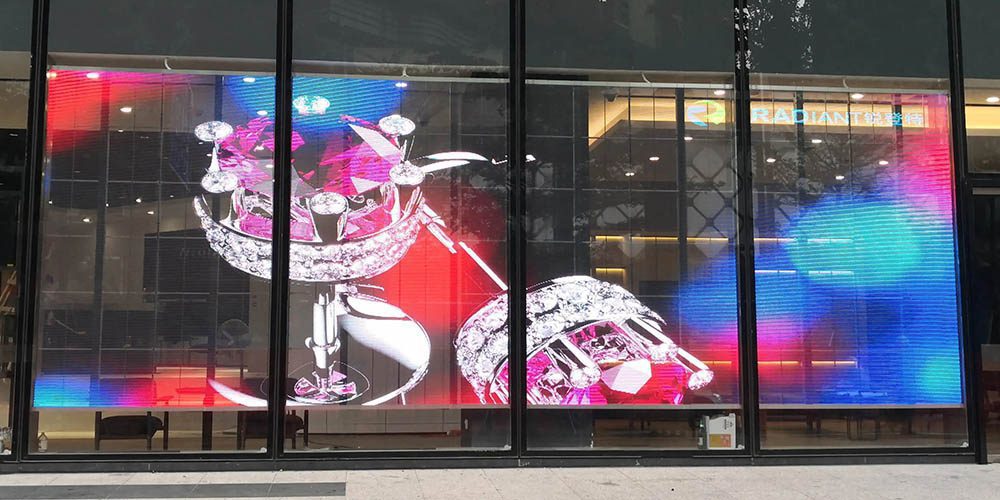
Glass partitions and lobbies can carry branding or information, provided building access and safety markings remain clear. Dense spreadsheets and detailed presentations may be better served by an opaque indoor screen when background contrast is insufficient.
3.3 Exhibitions and Events
Transparent screens can form layered booth or stage visuals. Confirm transport cases, cabinet locks, approved rigging, power distribution and service access for the chosen model. Lightweight construction alone does not establish a safe mounting method.
3.4 Building Facades
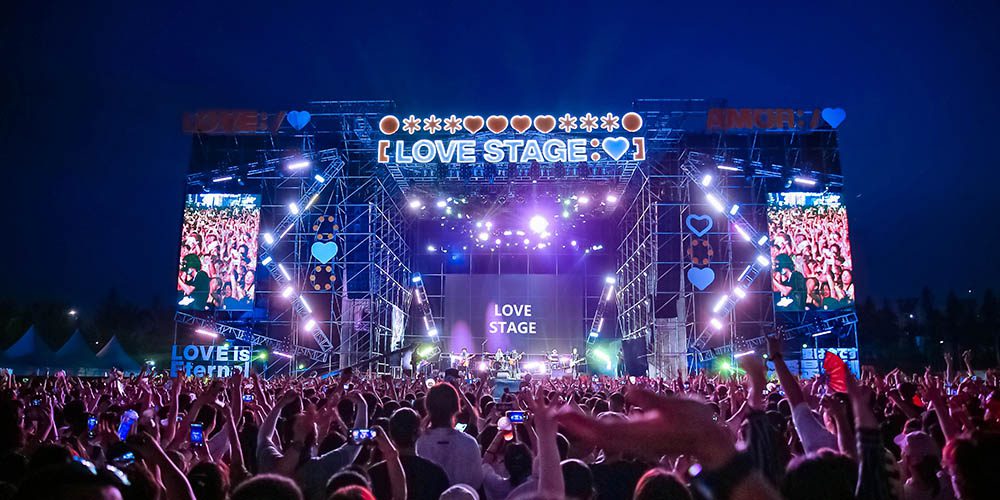
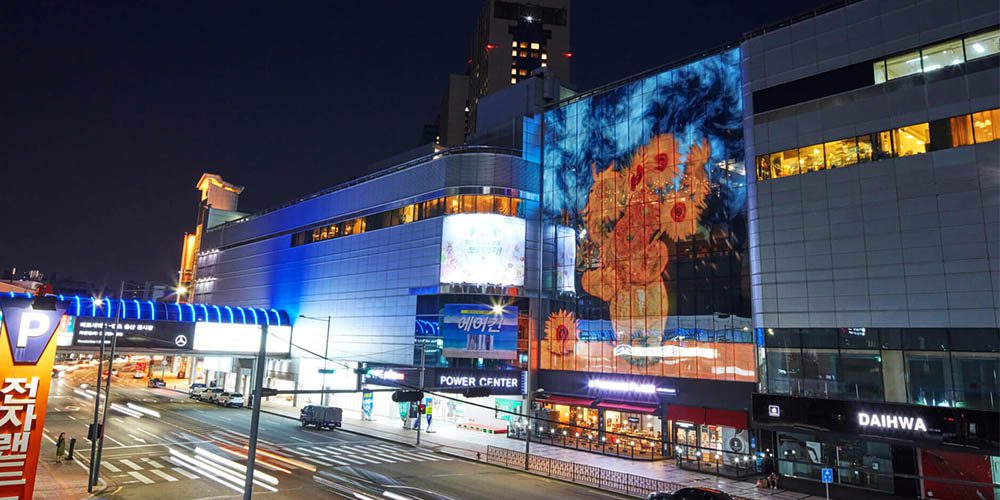
Facade projects require assessment of structure, exposure, access, glare and local signage requirements. A transparent appearance does not exempt the installation from permits or structural and electrical checks.
4.How Transparent LED Screens Work
A controller maps video to receiving electronics and LED elements distributed across the display. Open spaces between strips or elements allow a view through it. Cabinet-based screens and LED films achieve this with different mechanical and electrical designs.
Resolution depends on the pixel matrix. Some transparent products have different horizontal and vertical pitches, so one pitch number may not describe both axes. Frame layout and wiring also influence transparency; compare the exact model rather than assuming a universal resolution-to-transparency relationship.
Adhesive film still requires a compatible surface, approved installation procedure, protected power supplies and correct data mapping. It should not be treated as ordinary window tint or a plug-and-play decoration.
5.Benefits of Using Transparent LED Screens for Product Launches
How do transparent LED display screens help with product launches?
This is the question many marketing managers are asking, and the answer is to create an unforgettable story. A product launch is all about building hype and showcasing innovation. A Transparent LED Screen is the tool for this.
Imagine launching a new luxury car. Instead of just having the car on a stage, you could have it behind a large Transparent LED Screen. The screen could display dynamic content—the car speeding down a winding road, technical specs appearing and disappearing, or artistic particles swirling around it.
This creates a multi-layered experience where the audience sees both the amazing digital visuals and the physical product at the same time. It adds drama and sophistication that a simple screen or static display can’t match. This is why you should use a Transparent LED Screen for high-stakes events.
6.Transparent LED Screens for High-Traffic Areas
It’s a combination of durability, performance, and design. In busy areas like shopping malls, airports, or transit hubs, a display needs to be bright enough to overcome ambient light, tough enough to withstand the environment, and designed in a way that doesn’t block movement or sightlines.
Keep escape routes, access doors, safety glazing marks and required sightlines unobstructed. The screen, support and cables occupy physical space even when the display appears transparent.
7.Waterproofing and Durability of Transparent LED Screens
Water resistance is model-specific. An indoor screen behind glass is not automatically rated for rain, condensation or persistent high humidity. Confirm the permitted temperature and humidity range as well as the IP rating.
IP65 describes dust-tight protection and resistance to specified water-jet tests. It does not mean the whole installation is suitable for every outdoor exposure, immersion, corrosion or wind condition.
Check which surfaces are covered by the rating, including rear electronics, power boxes and connectors. Outdoor support, drainage, ventilation and wind assessment are separate requirements. Use only products approved for the actual environment.
8. Specification Checklist Before Ordering
Request a project-specific specification sheet and installation drawing. The following information is more useful than comparing headline transparency or brightness values alone.
- Active area and layout: glass opening dimensions, mullion positions, cabinet grid and maintenance clearance.
- Pixel matrix: exact pixels per cabinet or film section, horizontal and vertical pitch, and total controller load. Check the display size and resolution guide.
- Optical result: on-site sample, viewing distances, glass tint, daylight reflections and content readability.
- Mounting: approved frame or adhesive system, permitted surface and curvature, and cable routing.
- Electrical and service needs: maximum power, supply placement, ventilation, compatible spares and access for replacement.
9.How to Install Transparent LED Screens
Use the manufacturer installation manual and qualified installers. The sequence below is a planning checklist, not a substitute for a structural or electrical design.
9.1 Site Survey and Product Approval
- Measure the active opening, mullions and service space; record daylight direction and nearby viewing positions.
- Identify glass type, coatings, existing film and surface condition. Obtain written approval for adhesive products and any glass loading.
- Confirm the display arrangement and test a sample on the intended surface. Do not drill or load glazing without an approved design.
9.2 Installation and Commissioning
- Install the approved supporting frame, or prepare and apply film according to the exact product instructions.
- Have qualified personnel install power distribution, protective devices and earthing. Keep supplies ventilated and accessible.
- Connect data paths and map cabinets or film sections to their verified native pixel matrix.
- Test solid colors, gradients, motion, small text and power-up behavior; compare both sides of the window.
- Set day and evening brightness, verify the content schedule and document the final configuration.
Before handover, retain drawings, configuration backups, spare-part references and cleaning instructions. Confirm who handles glass damage, display replacement and access equipment. See the LED display installation planning guide for the wider project scope.
10.Choosing the Right Transparent LED Screen for Your Business
Choosing the right Transparent LED Screen is all about your specific needs. Here are the key things to consider:
- Viewing distance: test the smallest required text and logo details from the nearest and farthest positions. Use the pixel pitch calculator for initial comparisons, then confirm each axis against the actual pixel matrix.
- Location and Ambient Light: An indoor screen in a dimly lit mall has different brightness requirements than an LED Window Display facing the afternoon sun. Make sure to choose a screen with enough nits for your environment.
- Content: small text may need more pixel detail than simple video. Use a test file with the real message and background; avoid assuming video always requires a finer pitch than text.
- Environment: check weather exposure, glazing, curvature, service access and support requirements independently. A curved surface does not automatically make adhesive film suitable.
By considering these factors, you can choose a Transparent LED Screen that fits your budget and meets your strategic goals.
11. Project Information to Send to EagerLED
Send EagerLED photographs and dimensions of the window, the installation location, viewing distances and a sample content file. Specify whether you need cabinet-based transparency or an approved LED film installation.
- Request the exact model datasheet, pixel matrix and installation manual.
- Confirm product-specific test reports and any certifications required for the destination; do not rely on a blanket certification list.
- Agree warranty coverage, compatible spare parts, technical support and the local installation responsibility in writing.
12. Retail Window FAQs
Can a transparent screen display a solid black background?
Turning pixels off reduces emitted light but leaves the background visible. A design that needs opaque black or consistent contrast should be tested against the actual store backdrop.
Can I install LED film on any existing window?
No. Glass coatings, curvature, surface preparation and product limits must be checked. Obtain supplier and building approval before installation.
Does a transparent screen need special content?
Use the native pixel canvas and test short, high-contrast messages. Sparse content can preserve sightlines, but readability depends on the background and lighting. Avoid important text across mullions or dead areas.
13.Conclusion
A successful retail transparent LED installation starts with a site survey and a sample test, followed by a verified pixel layout, safe mounting and accessible power and service arrangements.
Choose the model for your glazing, viewing conditions and content. Transparency, image detail, power consumption and maintenance requirements must be evaluated together rather than treated as guaranteed benefits.
Review the transparent LED screen range and prepare the site information above before requesting a project proposal.